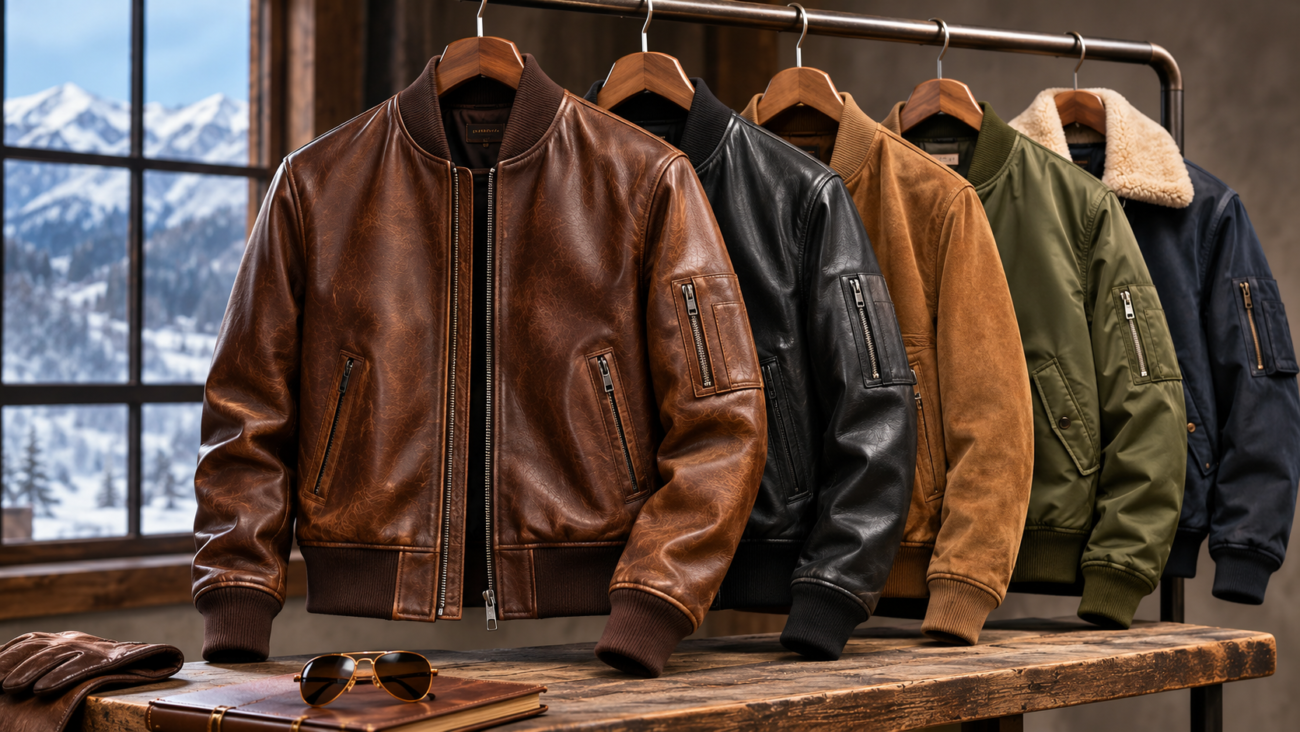
Varsity jackets are a recognizable casual outerwear style known for their contrasting panels, ribbed trims, and sporty details. Originally associated with American school and college athletics, they have become a popular fashion choice for everyday outfits and modern streetwear.
Traditional varsity jackets commonly combine wool bodies with leather sleeves, while contemporary designs include all-leather, suede, and minimalist variations. Understanding their different styles, materials, fitting, and styling options can help you choose a varsity jacket that complements your wardrobe.
What Is a Varsity Jacket?
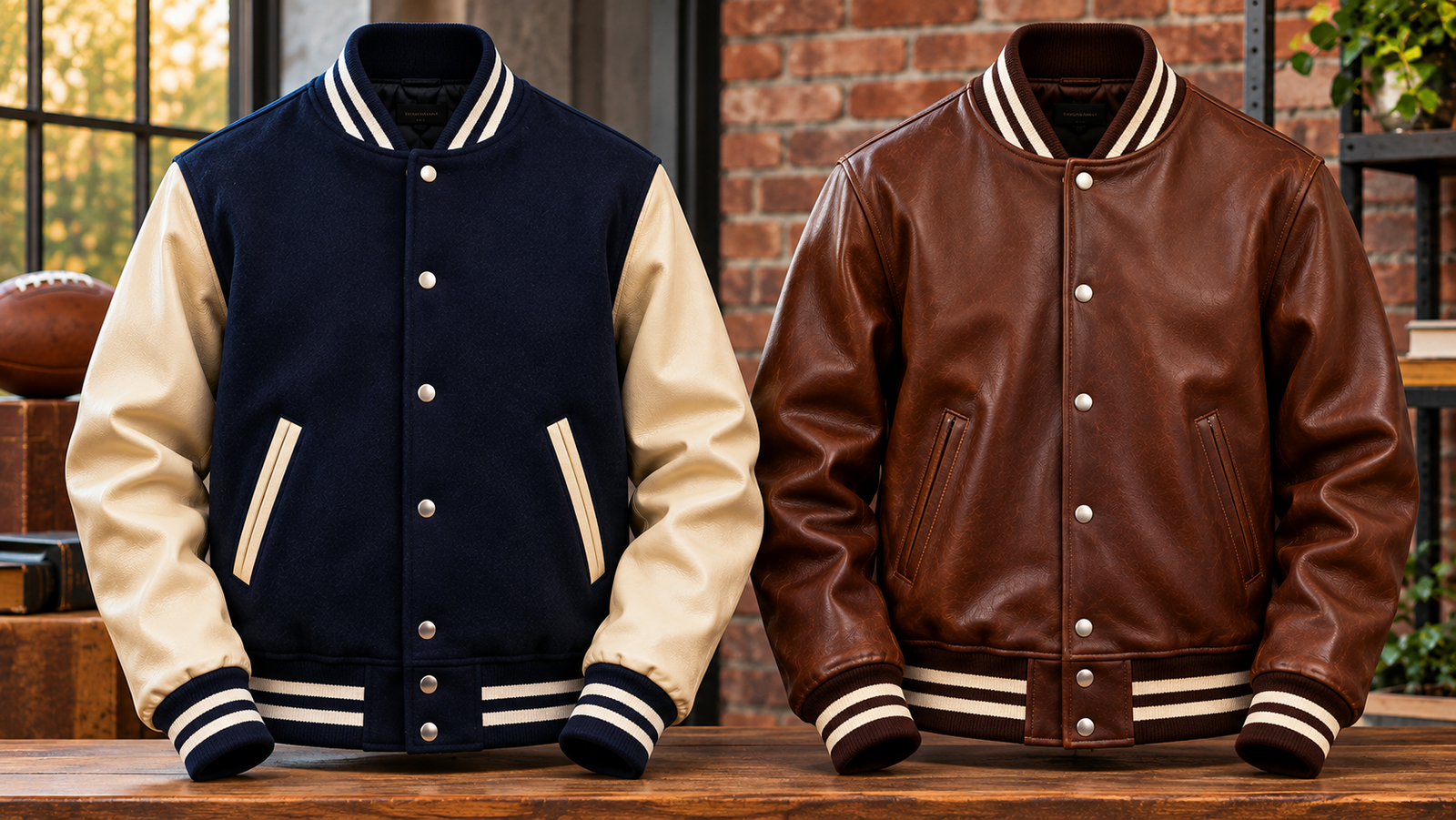
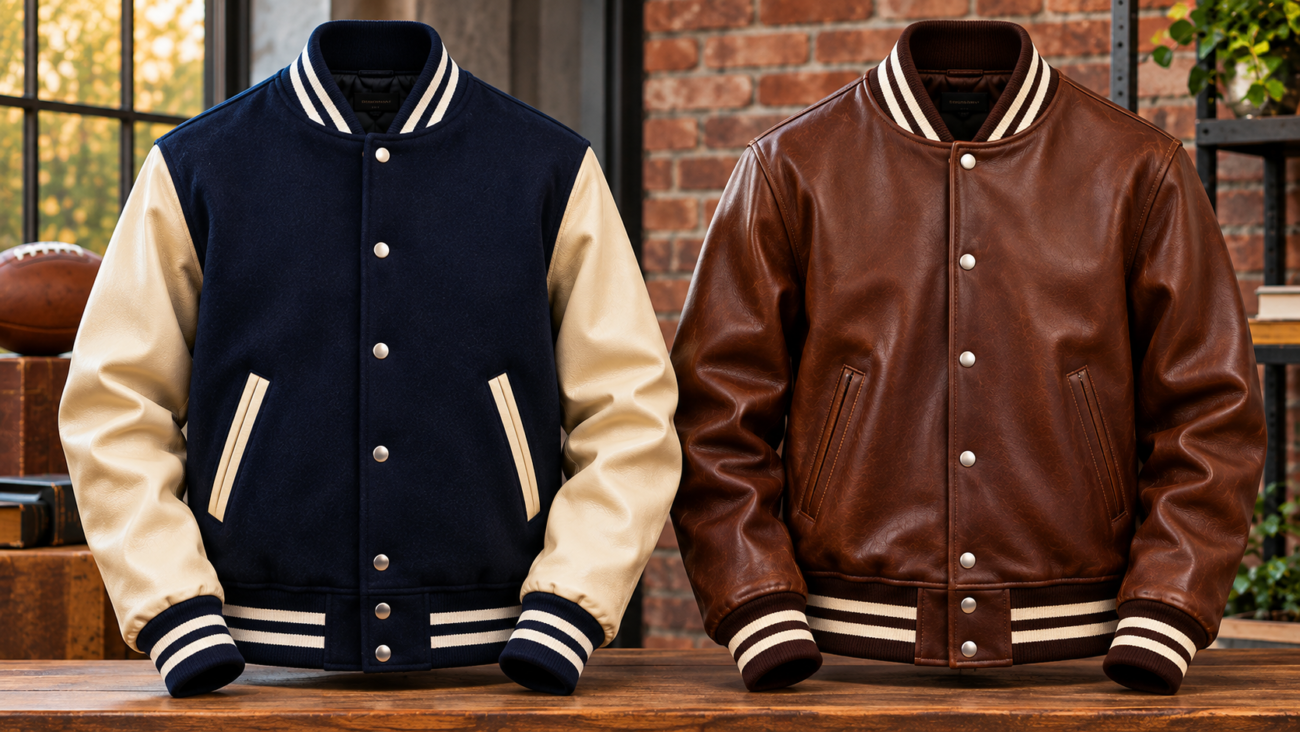
A varsity jacket is a casual outerwear style traditionally associated with American schools and college athletics. It typically features contrasting body and sleeve panels, ribbed cuffs and waistband, a front button closure, and decorative patches or lettering. Varsity jackets are also commonly known as letterman jackets.
What Are the Different Styles of Varsity Jackets?
Varsity jackets are available in several designs, ranging from traditional collegiate styles to contemporary leather and oversized variations. Each style offers a different appearance and suits different fashion preferences.
1. Classic Wool and Leather Varsity Jacket
The classic varsity jacket features a wool or wool-blend body with contrasting leather sleeves. Its traditional collegiate appearance is complemented by ribbed trims, snap-button closures, and decorative patches.
Key characteristics include:
Wool or wool-blend body construction.
Leather sleeves in contrasting colors.
Ribbed collar, cuffs, and waistband.
Front snap-button closure.
Optional embroidered patches and lettering.
This style is ideal for those who prefer traditional collegiate fashion.
2. All-Leather Varsity Jacket
An all-leather varsity jacket features leather across both the body and sleeves, creating a more uniform and structured appearance. It combines traditional varsity details with the distinctive texture of leather outerwear.
Common features include:
Leather body and sleeves.
Contrasting or matching color combinations.
Ribbed trims and button closures.
Different leather grains and finishes.
Minimalist or decorative detailing.
It is a suitable option for those who prefer a premium, contemporary alternative to traditional varsity designs.
3. Suede Varsity Jacket
A suede varsity jacket features a soft, textured surface that gives it a more understated appearance. It often combines suede panels with contrasting sleeves, ribbed trims, and traditional varsity detailing.
Its distinctive texture makes it a popular choice for casual outfits, particularly during fall and mild weather.
4. Minimalist Varsity Jacket
Minimalist varsity jackets retain the traditional silhouette while reducing decorative elements. They typically feature simple color combinations, clean panels, and limited or no embroidery.
This design works well for people who prefer understated outerwear that can complement different casual outfits.
5. Oversized Varsity Jacket
Oversized varsity jackets feature a relaxed silhouette with additional room through the chest, shoulders, and sleeves. They often include dropped shoulders and wider proportions.
This style is particularly popular in modern streetwear and works well with hoodies, relaxed-fit jeans, and casual sneakers.
What Materials Are Used in Varsity Jackets?
The materials used in varsity jackets influence their appearance, comfort, structure, and seasonal suitability. Traditional designs combine wool and leather, while modern versions incorporate different fabrics and leather varieties.
Material
Main Characteristics
Common Use
Wool
Warm, structured, and traditional
Classic varsity jacket bodies
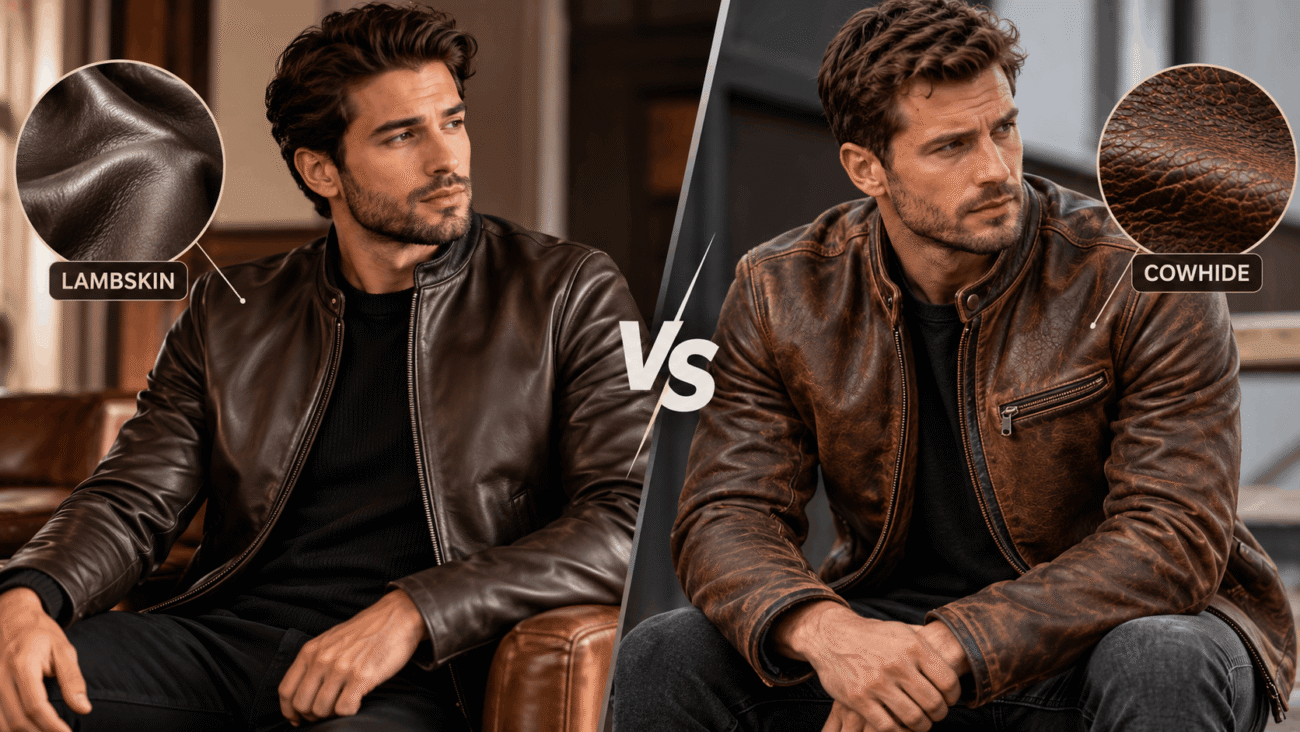
Cowhide leather
Firm and substantial
Sleeves and all-leather designs
Lambskin leather
Soft and lightweight
Fashion-oriented varsity jackets
Suede leather
Soft and textured
Casual and premium styles
Polyester
Lightweight and practical
Linings and modern designs
Cotton
Breathable and comfortable
Casual varsity styles
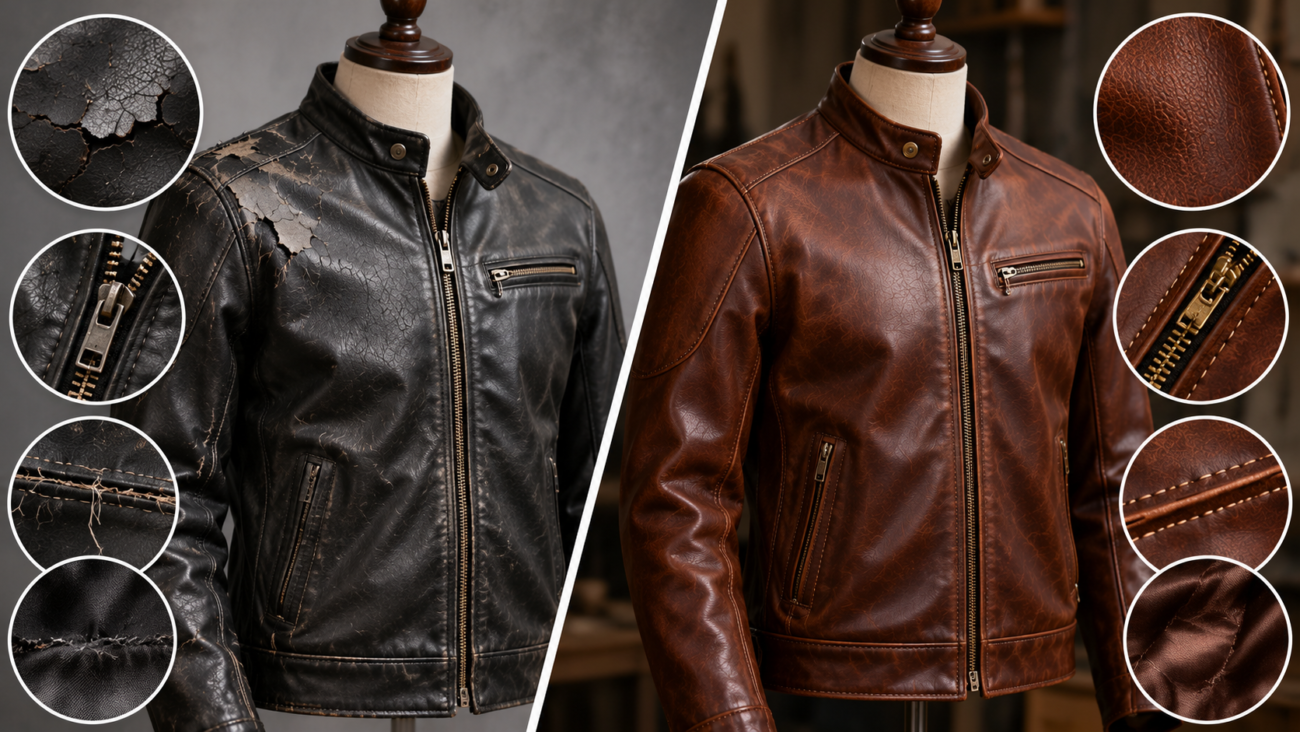
Material quality is only one part of a jacket’s overall performance. Stitching, lining, ribbed trims, hardware, and construction also influence comfort and durability.
For leather varsity jackets, consider the leather’s grain, thickness, finishing, and overall consistency before purchasing.
Key Features That Define a Varsity Jacket
Although varsity jackets are available in different materials and designs, several features give them their recognizable appearance.
1. Contrasting Sleeves and Body
Contrasting panels are one of the defining characteristics of traditional varsity jackets. A common combination is a wool body with leather sleeves in a different color, although modern designs also use matching materials.
2. Ribbed Collar, Cuffs, and Waistband
Ribbed trims are typically found around the collar, sleeve openings, and waistband. They contribute to the jacket’s traditional appearance and help create a secure, comfortable fit.
3. Snap-Button Closure
Traditional varsity jackets commonly feature snap-button closures along the front. These buttons provide convenient fastening while maintaining the classic collegiate design.
4. Patches, Embroidery, and Lettering
Decorative patches and embroidered lettering are inspired by the jacket’s athletic and collegiate origins. They can represent school initials, team logos, numbers, or personalized designs.
Modern minimalist versions may omit these details for a cleaner appearance.
5. Pockets and Interior Lining
Varsity jackets commonly feature two front pockets for everyday storage. Some designs also include interior pockets for smaller personal items.
The interior lining improves comfort and provides a finished interior surface. Its material and construction can also influence how suitable the jacket is for different weather conditions.
How Should a Varsity Jacket Fit?
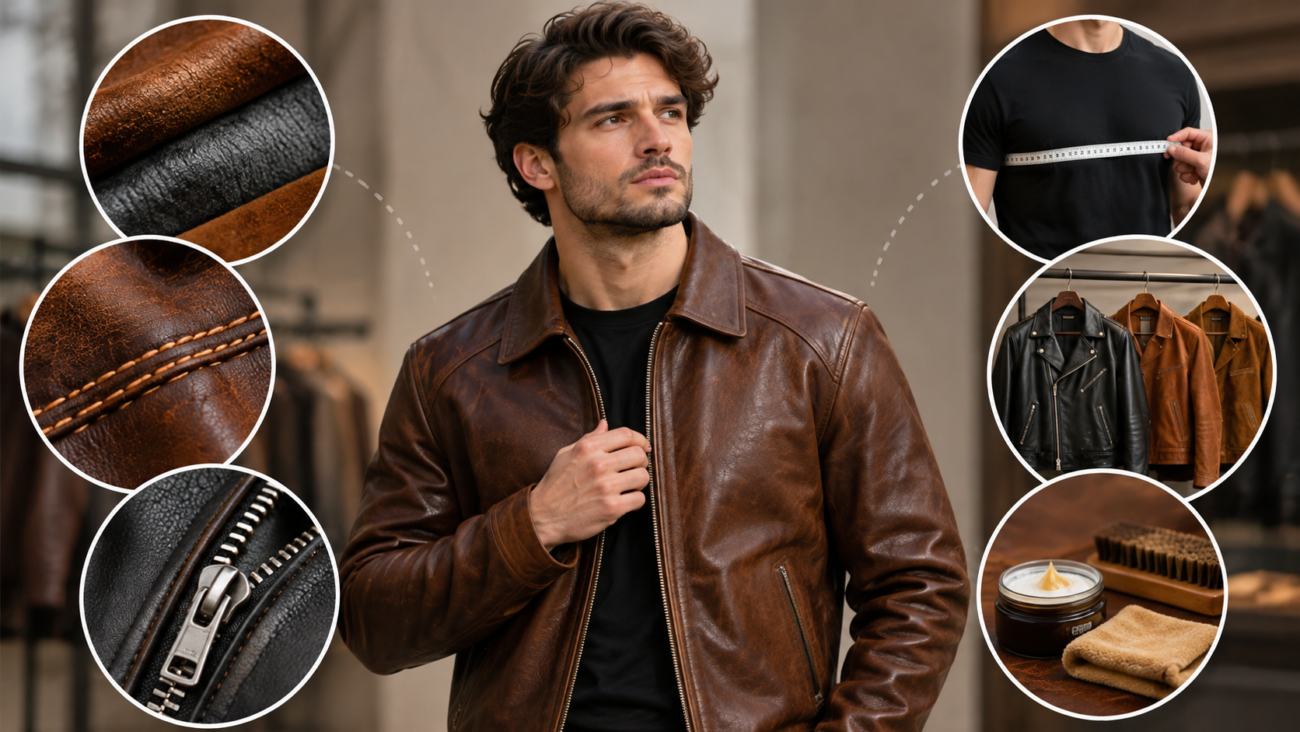
A varsity jacket should provide enough room for comfortable movement without appearing unnecessarily loose or restrictive. The ideal fit depends on your preferred style and whether you plan to wear additional layers underneath.
Consider these fitting points:
Shoulders: Shoulder seams should sit naturally or slightly relaxed, depending on the design.
Chest: The jacket should allow comfortable movement and enough room for light layering.
Sleeves: Sleeves should reach the wrist without excessive bunching.
Waistband: Ribbed waistband should sit comfortably around the waist.
Length: Traditional varsity jackets generally end around the waist or upper hip.
Common varsity jacket fits include:
Slim fit: Closer to the body with a more streamlined appearance.
Regular fit: Provides balanced room through the chest and shoulders.
Oversized fit: Offers additional room and a relaxed streetwear silhouette.
Always check the manufacturer’s size chart because measurements can vary between designs and brands.
How to Wear and Style a Varsity Jacket
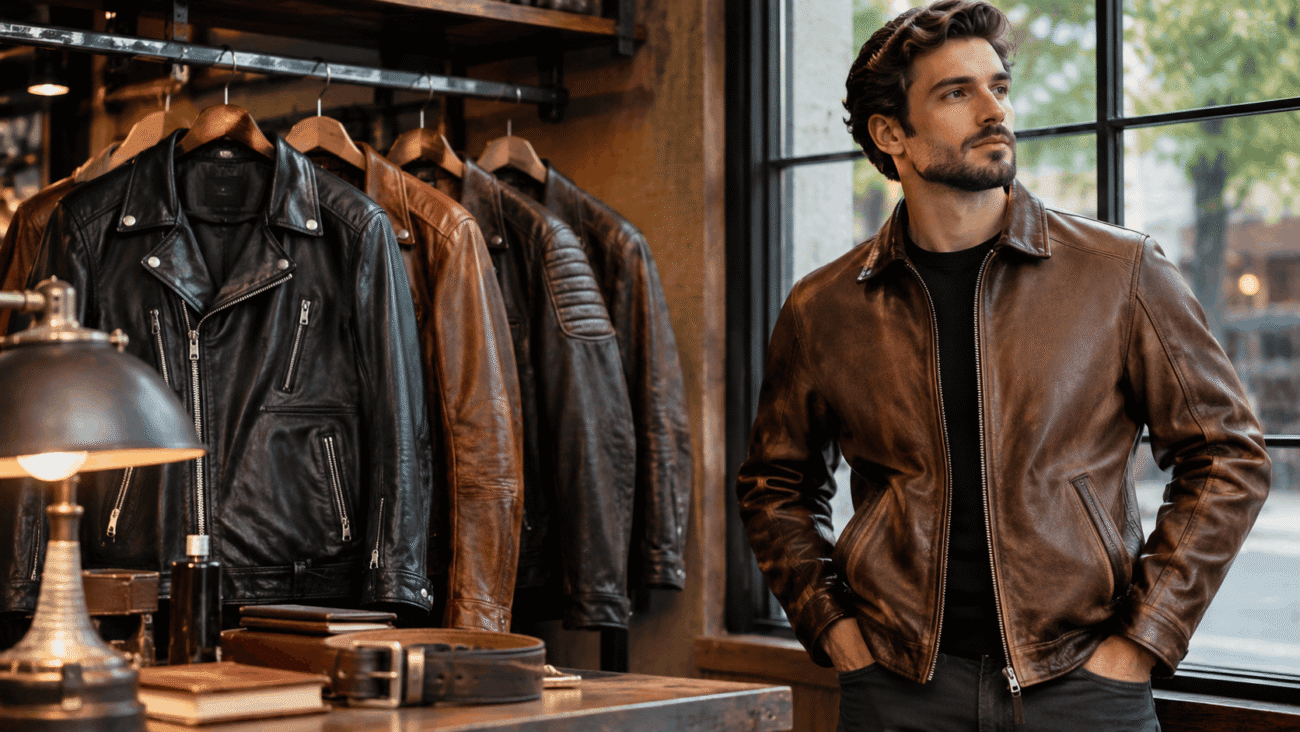
Varsity jackets work with several casual clothing combinations. The key is to balance the jacket’s colors, proportions, and decorative details with the rest of your outfit.
1. Classic Casual Outfit
For a timeless everyday look, combine a varsity jacket with a plain white or black T-shirt, blue or black jeans, and white sneakers. This simple combination allows the jacket to remain the main feature of your outfit.
2. Streetwear Outfit
Pair an oversized varsity jacket with a hoodie or sweatshirt, relaxed-fit jeans, and chunky sneakers. Choose contrasting colors to create a more noticeable streetwear appearance.
3. Minimalist Outfit
A neutral-colored varsity jacket works well with a plain T-shirt or shirt, black or beige trousers, and simple sneakers. Choose limited detailing and balanced colors for a clean appearance.
4. Smart-Casual Outfit
For a more refined look, choose a minimalist leather varsity jacket and wear it with a neutral sweater or shirt, tailored trousers, and Chelsea boots. Avoid excessive patches and contrasting colors to maintain a balanced outfit.
5. Fall and Winter Outfit
During cooler weather, layer a varsity jacket over a knitted sweater or sweatshirt. Combine it with dark denim or casual trousers and boots.
For colder conditions, choose a jacket with a suitable lining and insulation rather than relying on its appearance or material alone.
How to Choose the Right Varsity Jacket
Choosing the right varsity jacket involves evaluating its material, design, fit, and construction. Consider the following factors before purchasing:
Material: Select wool, cowhide, lambskin, suede, or suitable fabric according to your preferences and climate.
Style: Choose between classic, all-leather, suede, minimalist, and oversized designs.
Construction: Check stitching, snap buttons, ribbed trims, and pocket attachments.
Fit: Select a comfortable silhouette that allows natural movement and appropriate layering.
Color: Consider combinations that complement your existing wardrobe.
Leather quality: If purchasing a leather varsity jacket, evaluate its grain, thickness, finishing, and material consistency.
If you are exploring other leather outerwear options, our Quality Leather Jacket | Buyer’s Guide explains important factors to consider when evaluating leather jackets.
Frequently Asked Questions About Varsity Jackets
What is the difference between a varsity jacket and a letterman jacket?
There is generally no significant difference between a varsity jacket and a letterman jacket. Both terms describe the same traditional collegiate-inspired outerwear style, featuring contrasting panels, ribbed trims, and often decorative patches or lettering. The terminology may vary depending on the brand or region.
Are varsity jackets still in style?
Yes, varsity jackets remain popular in contemporary casual fashion and streetwear. Traditional wool-and-leather combinations continue to appeal to people who prefer collegiate designs, while oversized, minimalist, and all-leather versions offer more modern styling options.
What materials are best for varsity jackets?
Wool and leather are traditional varsity jacket materials. Wool provides a structured body, while cowhide offers a substantial leather option for sleeves. Lambskin and suede are alternatives for softer designs. The best material depends on your preferred appearance, comfort, climate, and intended use.
Should a varsity jacket fit tight or loose?
A varsity jacket should fit comfortably without restricting movement. A regular fit provides balanced room through the chest and shoulders, while an oversized fit offers a relaxed appearance. Avoid choosing a size that is too tight or excessively loose for your intended style.
Can you wear a varsity jacket in winter?
Yes, varsity jackets can be suitable for fall and some winter conditions, depending on their construction. Wool bodies, insulated linings, and appropriate layering can improve warmth. Lightweight cotton or unlined designs are generally better suited to mild weather.
What pants go best with a varsity jacket?
Jeans are one of the most versatile choices for varsity jackets. Blue and black denim work well with traditional designs, while relaxed-fit trousers and joggers complement streetwear styles. Tailored trousers can also work with minimalist varsity jackets for a more refined casual outfit.
Are leather varsity jackets better than wool varsity jackets?
Neither is universally better. Wool varsity jackets offer a traditional collegiate appearance and can provide good insulation, while leather varsity jackets create a more uniform and distinctive look. Your choice should depend on material preference, climate, maintenance requirements, and personal style.
Final Thoughts: Finding the Right Varsity Jacket
Varsity jackets combine traditional collegiate design with modern casual fashion. From classic wool-and-leather combinations to all-leather, suede, minimalist, and oversized styles, there are options for different preferences and wardrobes.
Understanding the materials, construction, fit, and styling possibilities makes it easier to select a jacket that meets your requirements.
Whether you prefer a traditional collegiate look or contemporary leather outerwear, the right varsity jacket should complement your personal style, provide a comfortable fit, and use materials suitable for your intended wear.