Buying a leather jacket is an investment in style, comfort, and durability. However, choosing the wrong leather quality, fit, design, or construction can lead to an unsatisfactory purchase. Many buyers focus only on appearance and price without understanding the material and craftsmanship behind the product. Following A Complete Buyer’s Guide approach can help you identify quality leather, compare available options, and make a more informed purchasing decision.
Confusing Genuine Leather with High-Quality Leather
One common mistake when buying a leather jacket is assuming that every product labeled genuine leather offers the same quality. Genuine leather is a broad term, and different leather grades have different characteristics, durability levels, and appearances.
Understanding Different Leather Grades
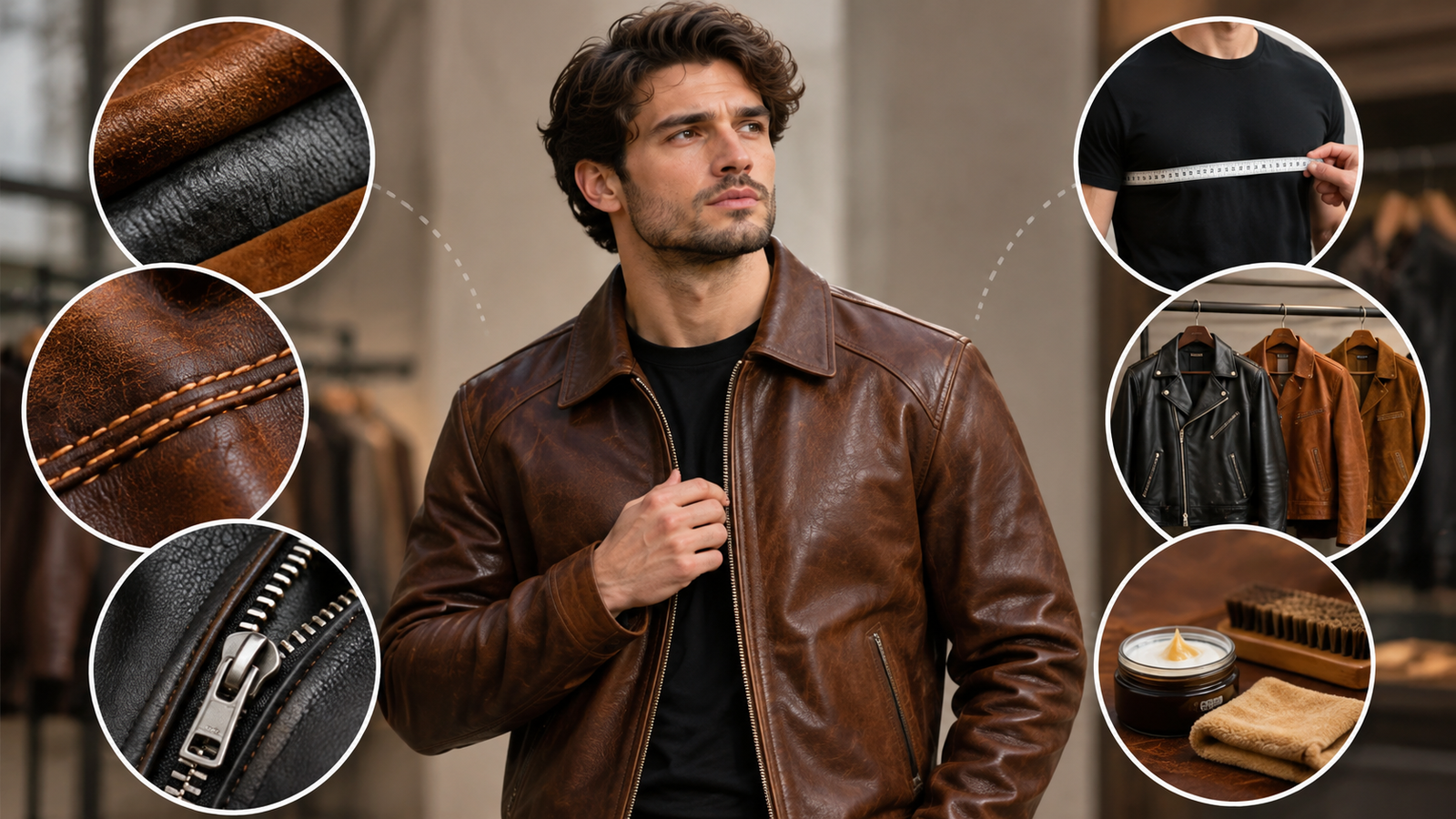
Leather is available in several grades, including full-grain, top-grain, and lower-grade genuine leather.
- Full-Grain Leather: Retains its natural grain and is valued for durability and natural character.
- Top-Grain Leather: Has a refined surface and offers a smooth, consistent appearance.
- Lower-Grade Leather: Often undergoes additional processing and surface treatments.
Understanding leather grades helps you evaluate the actual material instead of relying on product labels alone.
Why Leather Quality Matters
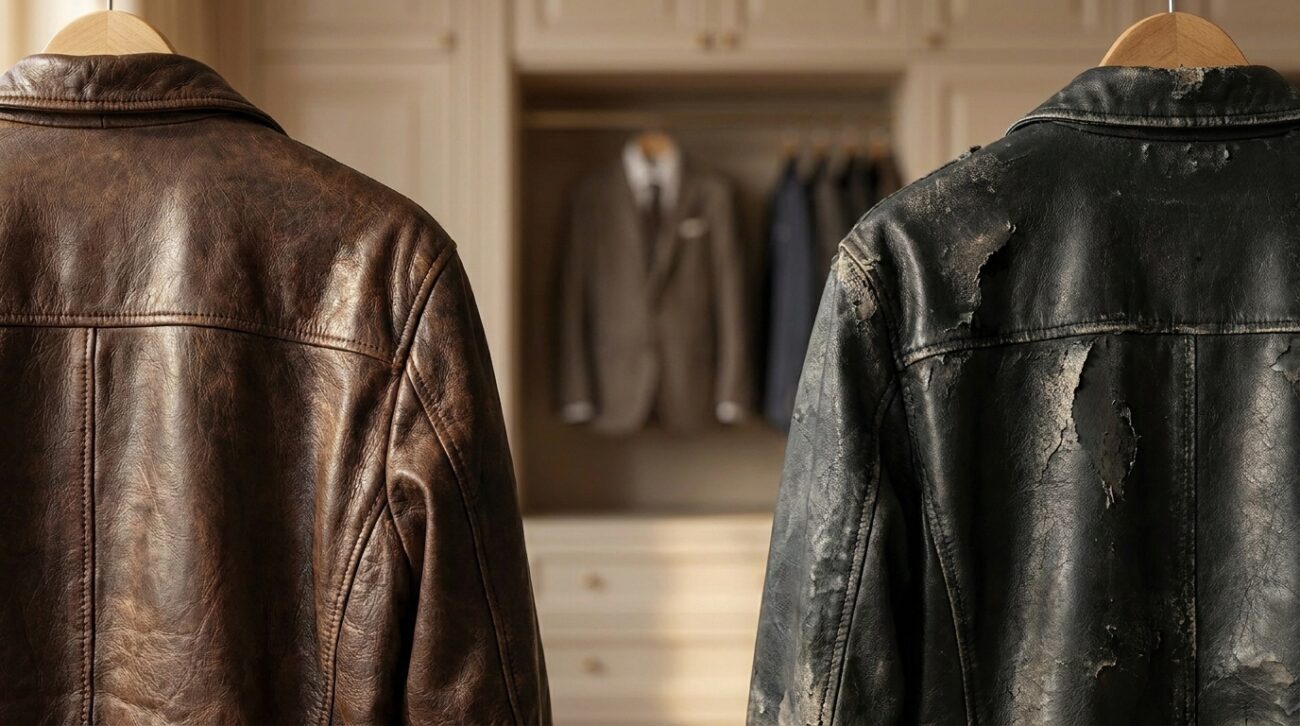
Leather quality influences how a jacket feels, ages, and performs over time. High-quality leather generally develops a distinctive appearance with use, while heavily processed materials may show wear differently.
Leather finishing also affects texture, color consistency, surface protection, and overall appearance. Always check the material specifications before purchasing.
Choosing the Wrong Leather Type
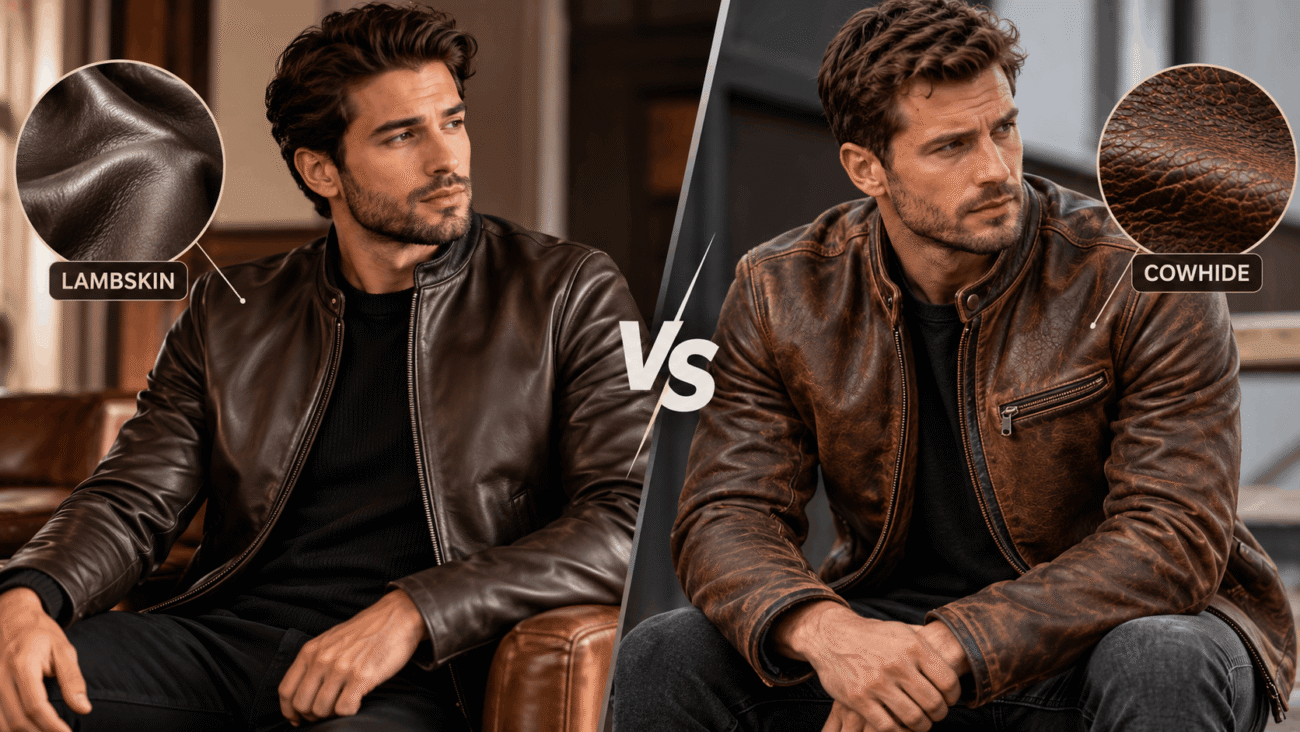
Selecting leather based only on appearance can lead to the wrong purchase. Different leather types offer different textures, weights, and maintenance requirements. Understanding Which Is Better? depends on your intended use, preferred appearance, and lifestyle.
Full-Grain, Top-Grain, and Suede Leather
The three popular options for leather jackets include:
- Full-Grain Leather: Suitable for buyers who prefer natural grain, durability, and distinctive aging.
- Top-Grain Leather: Offers a smoother and more refined finish for everyday styling.
- Suede Leather: Features a soft, textured surface that creates a more relaxed and sophisticated appearance.
Matching Leather Types with Your Needs
Consider how frequently you plan to wear your jacket and the appearance you prefer. Full-grain leather is a strong option for durability, top-grain leather works well for a polished look, and suede is ideal for those who appreciate softer textures.
Explore different types of leather to understand their characteristics before making your decision.
Ignoring the Importance of Proper Fit
A leather jacket should fit comfortably without restricting movement or appearing excessively oversized. Since leather jackets often have structured designs, selecting the correct size is essential for both appearance and comfort.
Buying Too Tight or Too Loose
A jacket that is too tight may restrict movement around the shoulders, chest, and arms. An oversized jacket, meanwhile, can lose its intended shape and create an unbalanced appearance.
Ideally, choose a fit that allows comfortable movement and enough room for a light sweater underneath.
Overlooking Shoulder, Sleeve, and Body Measurements
Before ordering, check these important measurements:
- Shoulders: Seams should sit close to your natural shoulder line.
- Sleeves: Should reach approximately your wrist.
- Chest: Should allow comfortable movement without pulling.
- Body Length: Should complement your height and jacket style.
When purchasing online, compare the seller’s size chart with a jacket you already own that fits properly.
Focusing Only on Price Instead of Value
Choosing a leather jacket based entirely on price can result in poor purchasing decisions. Extremely cheap products may involve lower-grade materials, inconsistent stitching, or basic hardware. However, a higher price does not automatically guarantee better quality.
Why Extremely Cheap Leather Jackets Can Be Risky
Very low prices can sometimes indicate heavily processed leather, synthetic materials, weak construction, or poor finishing.
Always verify whether the jacket is made from genuine leather and whether its specifications match the product description.
Evaluating Quality, Craftsmanship, and Durability
Instead of comparing prices alone, evaluate the complete product. Consider leather quality, stitching, zipper strength, lining, finishing, and overall construction.
A well-made jacket may cost more initially but can provide better long-term value through regular use and proper maintenance.
Overlooking Stitching, Zippers, and Hardware
Leather quality is important, but construction also determines a jacket’s overall performance. Weak stitching, poor-quality zippers, and unreliable hardware can affect usability even when the leather itself is good.
Checking Stitching and Seams
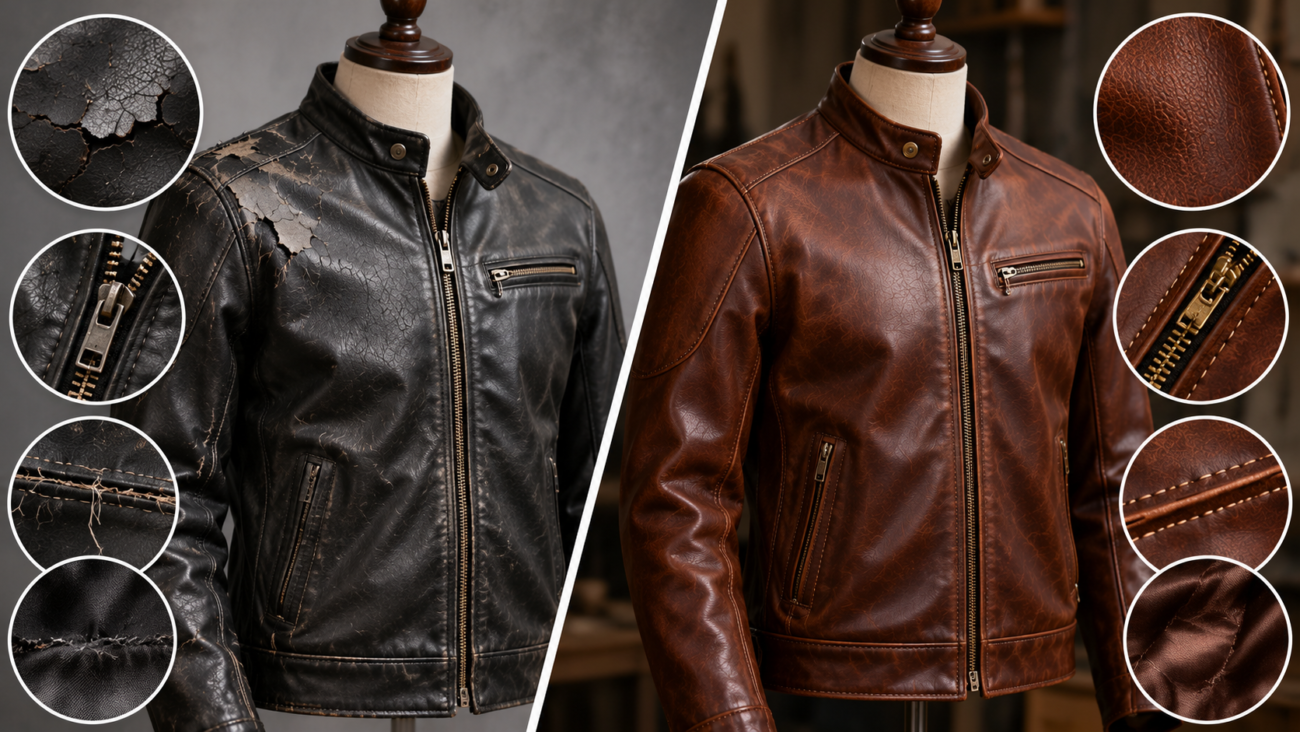
Inspect stitching around the shoulders, sleeves, pockets, and side seams. Look for consistent spacing, secure thread connections, and properly finished edges.
Uneven stitching, loose threads, and weak seams may indicate poor craftsmanship.
Inspecting Zippers, Buttons, and Lining
Check whether zippers move smoothly without catching. Buttons, snaps, and other hardware should feel secure and properly attached.
The inner lining should be neatly fitted, comfortable, and free from loose threads or visible damage.
Choosing Style Without Considering Practical Use
A leather jacket may look attractive in product photographs but still be unsuitable for everyday use. Choosing a style without considering your lifestyle, weather, and intended activities can result in a jacket that rarely gets worn.
Understanding Different Leather Jacket Styles
Some popular leather jacket styles include:
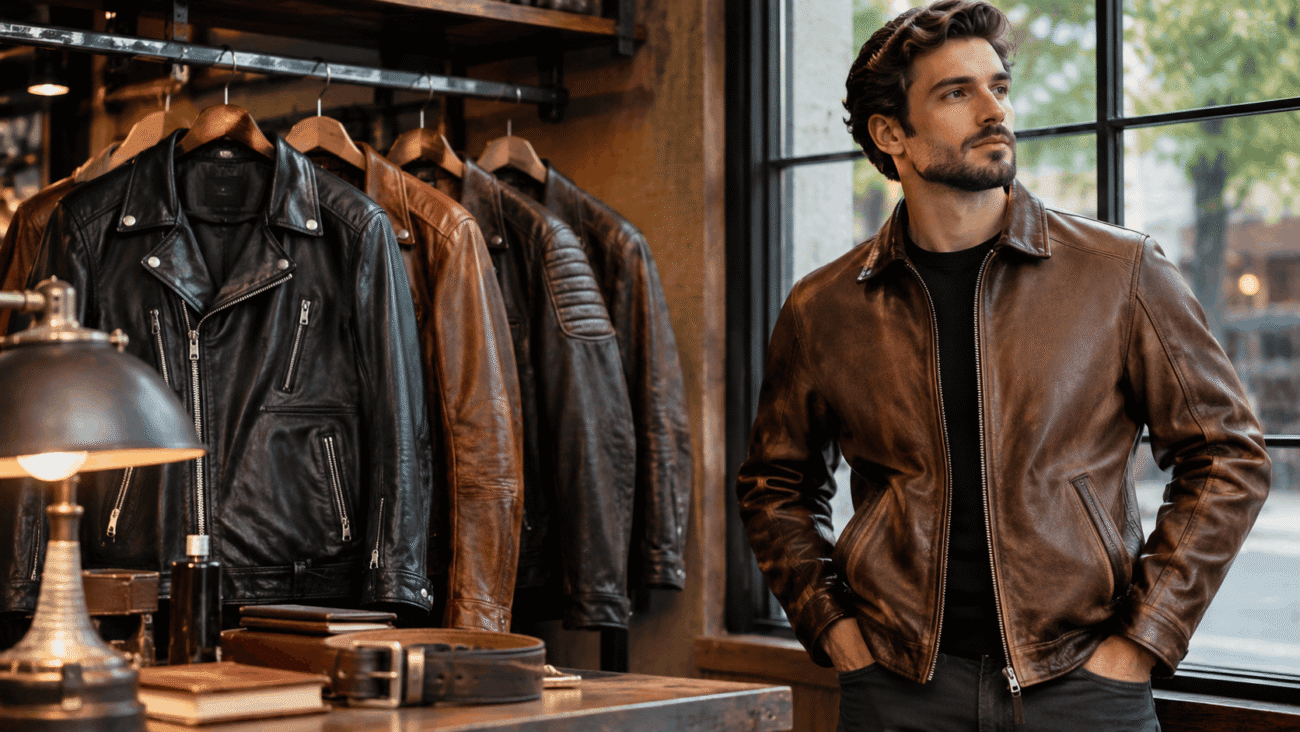
- Biker Jackets: Feature an edgy appearance, asymmetrical zippers, and structured designs.
- Bomber Jackets: Offer casual styling, often with ribbed cuffs and waistbands.
- Racer Jackets: Have clean, minimal designs and streamlined silhouettes.
- Varsity Jackets: Combine sporty styling with casual everyday appeal.
- Suede Jackets: Provide a soft texture and refined casual appearance.
Matching a Jacket to Your Lifestyle and Weather
Consider your local climate and typical activities. Lightweight leather jackets work well in mild weather, while insulated or shearling-lined options provide additional warmth in colder conditions.
For regular use, choose a versatile design that complements your existing wardrobe.
Ignoring the Seller’s Reputation and Return Policy
Buying from an unreliable seller can create problems even when product photographs look convincing. Always evaluate product descriptions, material specifications, customer feedback, and return policies before placing an order.
Checking Product Information and Seller Credibility
Look for detailed product descriptions, genuine product photographs, leather specifications, and clear sizing information.
Customer reviews can also help you understand the product’s actual appearance, fit, and construction.
Understanding Return, Exchange, and Warranty Policies
Check whether the seller allows returns or size exchanges. Review any warranty coverage for manufacturing defects as well.
For made-to-order leather jackets, pay particular attention to customization and return conditions, as these may differ from standard products.
Not Understanding Leather Jacket Care Requirements
Leather jackets require appropriate care to maintain their appearance and condition. Ignoring maintenance requirements can lead to dryness, stains, fading, or damage. Understanding basic leather care before purchasing helps protect your investment.
Leather Cleaning and Conditioning
Clean leather jackets using products specifically designed for leather. Avoid harsh detergents, excessive water, and direct heat.
Depending on the leather type and manufacturer’s recommendations, occasional conditioning can help maintain softness and reduce dryness. Remember that suede requires different cleaning products and techniques than smooth leather.
Proper Storage and Maintenance
Store your jacket on a wide, padded hanger to maintain its shape. Keep it in a cool, dry, and well-ventilated place, away from prolonged direct sunlight and excessive moisture.
Avoid storing leather jackets in plastic bags for extended periods.
How to Avoid These Mistakes When Buying a Leather Jacket
Making the right purchasing decision becomes easier when you evaluate the jacket beyond its appearance. This Complete Buying Guide checklist covers the essential factors to consider before placing an order.
- Check the leather grade: Understand whether the jacket uses full-grain, top-grain, or another leather type.
- Choose the right material: Match leather characteristics with your preferred style and maintenance requirements.
- Verify your measurements: Compare shoulder, chest, sleeve, and body measurements with the size chart.
- Inspect craftsmanship: Look for consistent stitching, secure seams, and neatly finished edges.
- Check hardware and lining: Ensure zippers, buttons, and interior lining are properly constructed.
- Compare overall value: Evaluate material quality, construction, and durability instead of choosing the cheapest option.
- Review seller policies: Understand shipping, returns, exchanges, and warranty conditions.
- Consider maintenance: Choose a jacket that matches the level of care you can provide.
Following these steps can help you avoid common purchasing mistakes and select a jacket that offers the right combination of quality, comfort, and style.
Frequently Asked Questions About Buying Leather Jackets
What should you look for when buying a leather jacket?
Look for genuine material specifications, leather grade, proper fit, consistent stitching, quality zippers, and durable lining. Also consider the jacket’s style, intended use, and maintenance requirements. For online purchases, review customer feedback, product photographs, sizing information, and the seller’s return policy before making a decision.
Which leather type is best for a leather jacket?
Full-grain leather is an excellent choice for buyers who prioritize natural grain, durability, and character. Top-grain leather offers a smoother and more refined appearance, while suede provides a soft, textured finish. The best option depends on your preferred style, budget, intended use, and maintenance expectations.
How can you tell if a leather jacket is good quality?
A quality leather jacket typically has clearly specified leather materials, consistent stitching, secure seams, smooth-working zippers, and properly fitted lining. Examine the leather surface and finish for consistency. Detailed product information and transparent manufacturing specifications also help you assess whether the jacket is worth purchasing.
Should a leather jacket fit tight or loose?
A leather jacket should fit comfortably without being excessively tight or loose. The shoulders should align naturally, sleeves should reach your wrists, and the chest should allow comfortable movement. Ideally, there should be enough room for a light layer underneath without compromising the jacket’s overall shape.
How much should you spend on a good leather jacket?
The cost depends on leather grade, material type, craftsmanship, design, and manufacturing quality. Instead of following a fixed price range, compare the specifications and construction of different jackets within your budget. A well-constructed jacket with transparent material information generally offers better value than one selected by price alone.
How long should a quality leather jacket last?
Avoiding these common mistakes helps you make an informed decision and find a jacket that suits your style, comfort, and budget. Whether you prefer a classic biker jacket, a casual bomber, or a refined suede design, prioritize quality and construction over appearance and price alone.
A well-made leather jacket can last for many years, potentially decades, with appropriate use and maintenance. Its lifespan depends on leather quality, construction, frequency of wear, storage conditions, and care. Regular cleaning, suitable conditioning, and protection from excessive moisture can help preserve its appearance and durability.
Final Thoughts
Buying a leather jacket requires more than choosing an attractive design. Leather quality, material selection, proper fit, craftsmanship, and long-term maintenance all influence the overall purchasing experience.