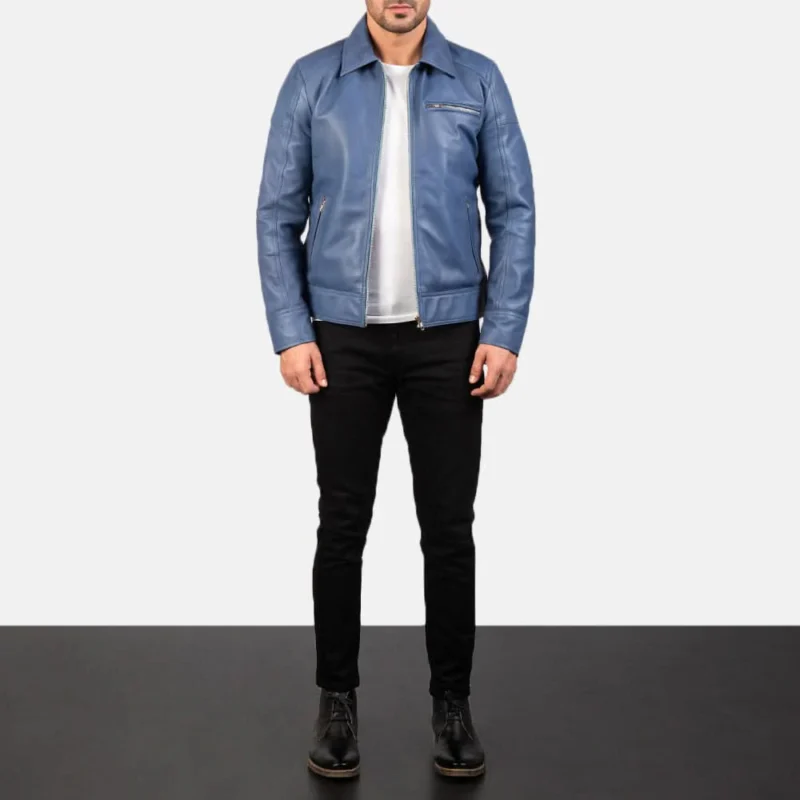
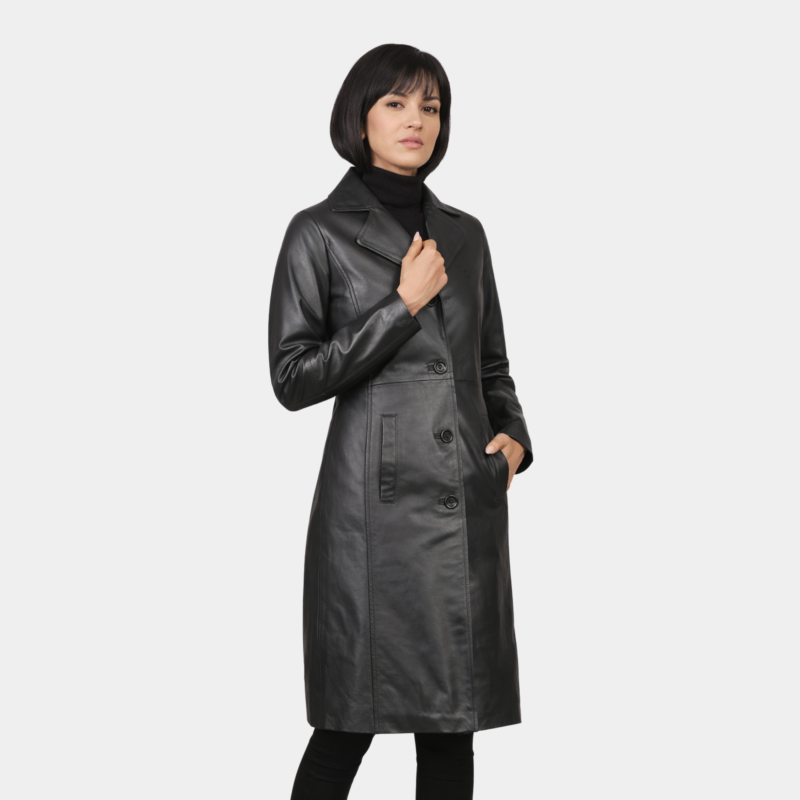
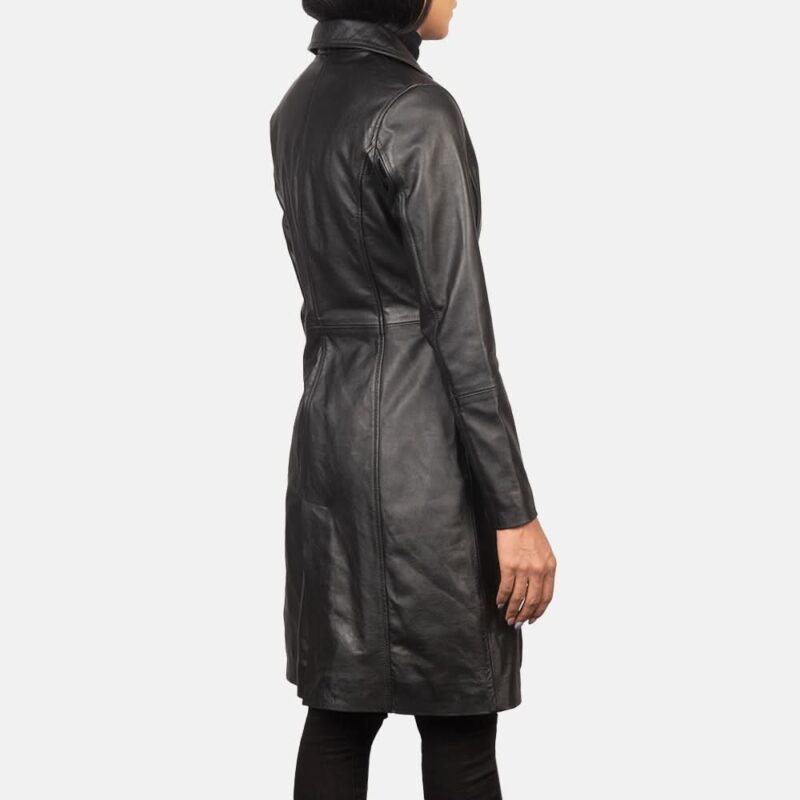
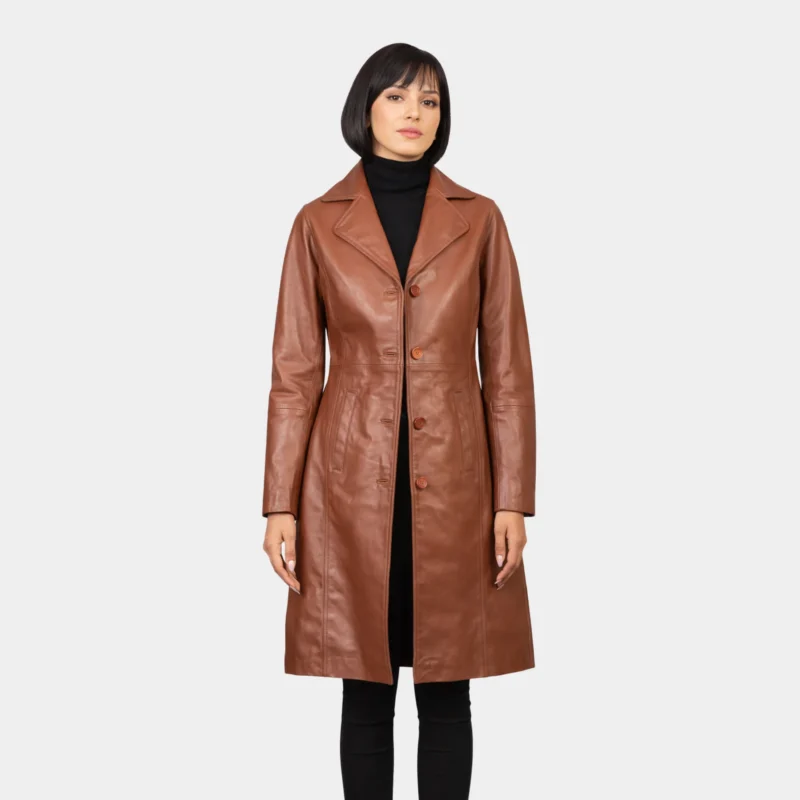
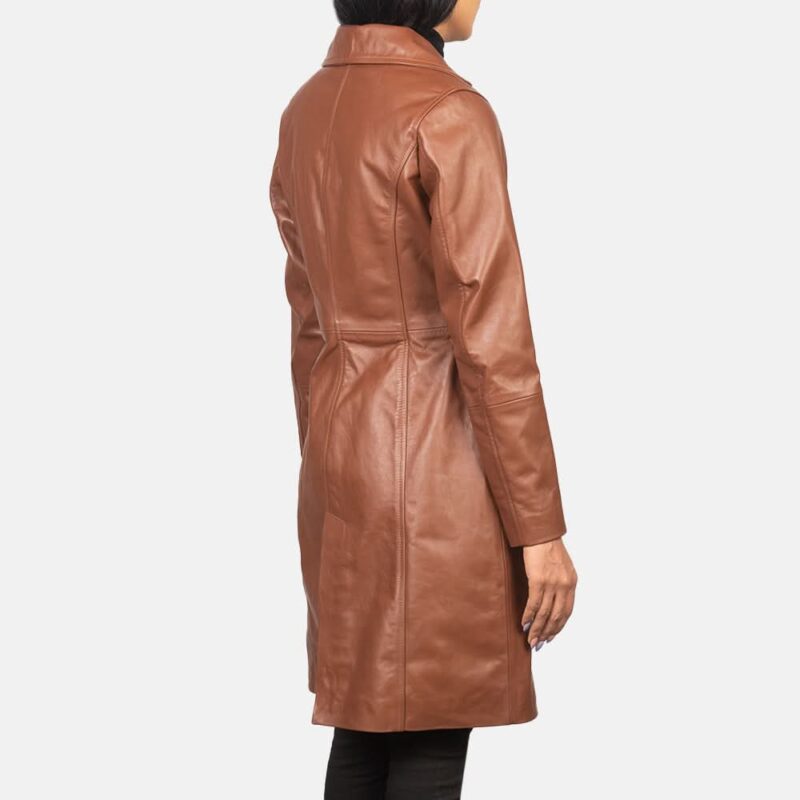
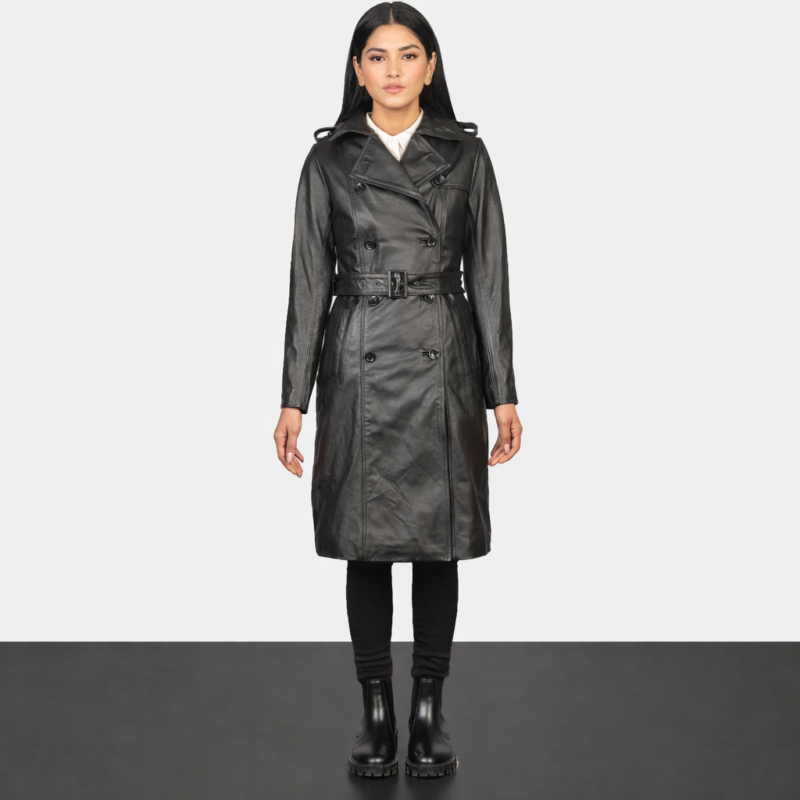
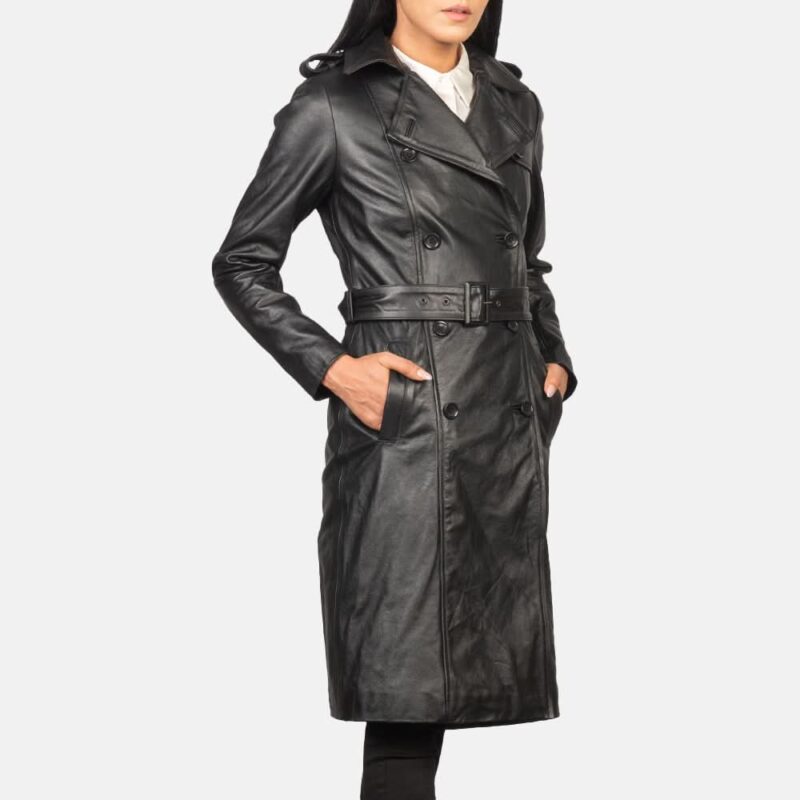
A leather jacket is unlike almost any other piece of outerwear. While hoodies, denim jackets, and coats can often be worn slightly oversized without affecting their appearance, a leather jacket relies on precise proportions to achieve its signature look. The right fit enhances your silhouette, improves comfort, and allows the leather to age naturally with your body.
Many first-time buyers assume that selecting their usual clothing size is enough. In reality, leather jackets fit differently depending on the leather type, jacket style, construction, and intended use. A jacket that feels slightly snug on the first wear may become the perfect fit after a short break-in period, while one that feels loose from the beginning is unlikely to develop the structured shape that makes leather jackets so timeless.
This guide explains exactly how a leather jacket should fit, what to look for in each part of the jacket, and how to avoid the sizing mistakes that often lead to disappointing purchases.
Why Leather Jacket Fit Matters
Fit influences far more than appearance. It determines how comfortable the jacket feels, how well it moves with your body, and how it ages over time.
A properly fitted leather jacket offers several advantages:
Creates a clean, structured silhouette.
Allows natural movement without excess bulk.
Helps the leather mold to your body with regular wear.
Improves long-term comfort as the leather softens.
Makes layering easier without sacrificing style.
Unlike synthetic materials, genuine leather gradually adapts to your shape. Choosing the correct fit from the beginning ensures the jacket develops character rather than looking oversized or misshapen after years of wear.
Should a Leather Jacket Be Tight or Loose?
One of the most common questions buyers ask is whether a leather jacket should feel tight when it’s new.
The answer is simple: it should feel comfortably snug, not restrictive.
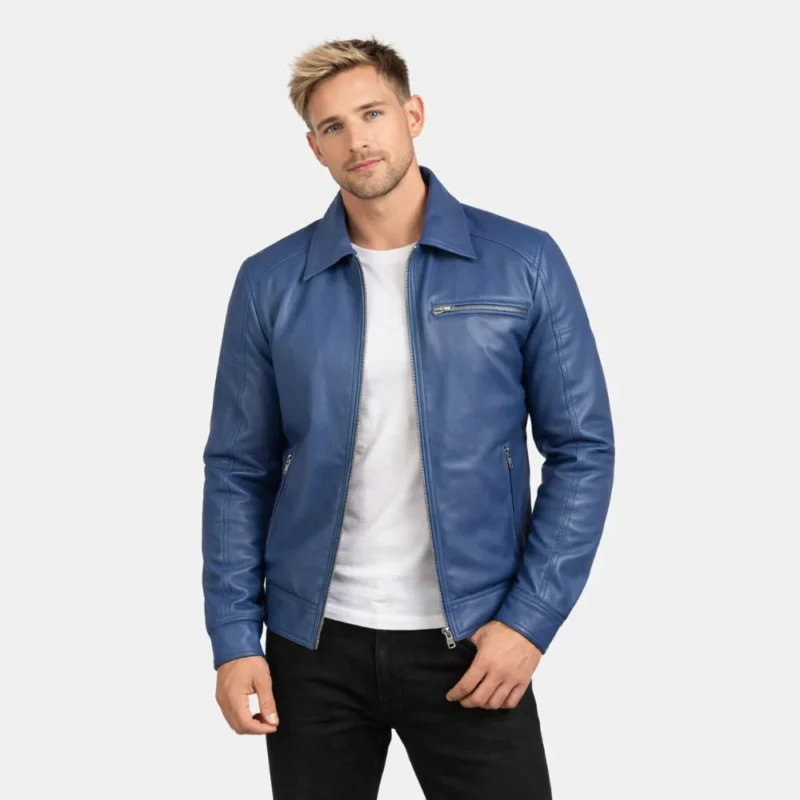
A premium leather jacket should sit close to the body while still allowing you to move naturally. You should be able to zip it up comfortably, bend your arms, and reach forward without excessive pulling across the shoulders or chest.
At the same time, the jacket should not have large gaps around the waist, hanging shoulders, or oversized sleeves. Excess room prevents the leather from conforming to your body, resulting in a less refined silhouette.
Signs the Fit Is Too Tight
Difficulty zipping the jacket.
Excessive pulling across the chest.
Restricted shoulder movement.
Sleeves ride significantly above the wrists.
Tightness under the arms.
Signs the Fit Is Too Loose
Shoulder seams extend beyond your shoulders.
Large folds appear around the waist.
Sleeves cover part of your hands.
The jacket shifts excessively while walking.
The body feels baggy even when zipped.
The goal is a tailored fit that feels secure without limiting everyday movement.
How Leather Changes Over Time
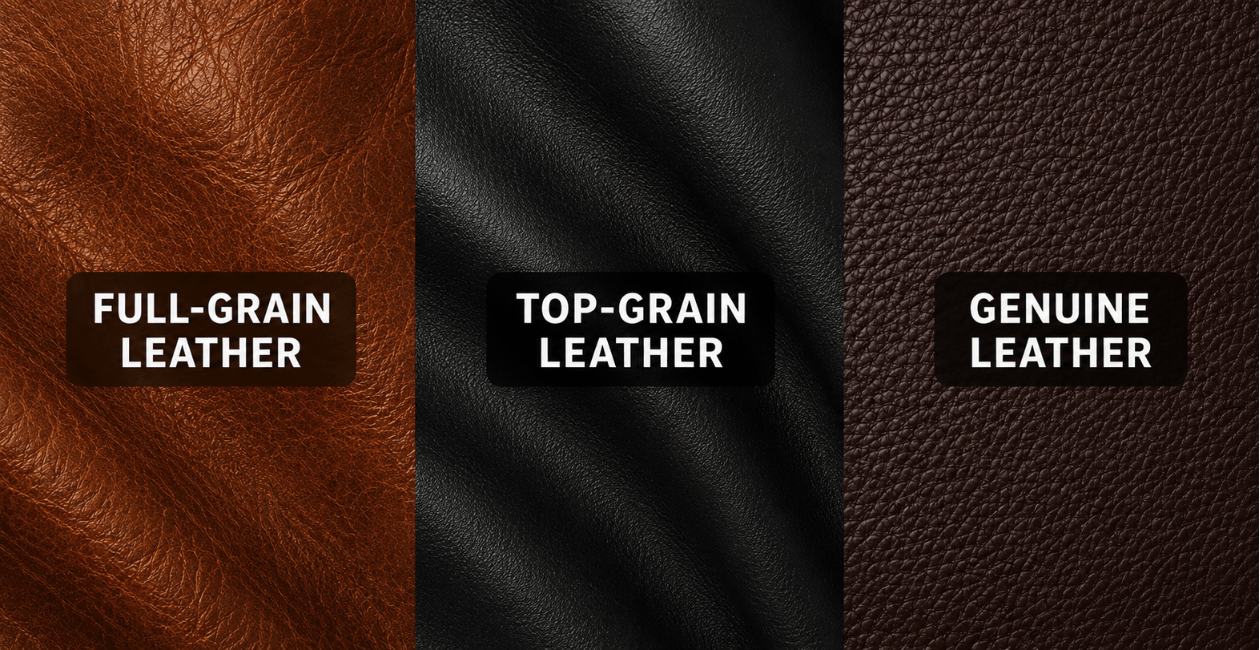
One reason leather jackets fit differently from fabric jackets is that genuine leather evolves with wear.
During the first few weeks, the fibers begin to soften and gradually adapt to your movements. This natural process, often referred to as the break-in period, gives premium leather its distinctive comfort and character.
Lambskin
Lambskin is naturally soft and supple. It breaks in relatively quickly, developing a smooth, relaxed drape while maintaining a refined appearance. Because of its flexibility, a lambskin jacket often feels comfortable after only a few wears.
Cowhide
Cowhide has a firmer structure and greater durability. It typically requires a longer break-in period, but the result is a jacket that develops a unique shape while offering exceptional longevity.
Although both materials soften over time, neither should be expected to stretch dramatically. A jacket that is noticeably too small when new is unlikely to become comfortable through wear alone. Likewise, an oversized jacket will not shrink into a better fit.
Understanding this natural evolution helps you choose a size that balances immediate comfort with long-term wearability.
The Five Areas That Determine the Perfect Fit
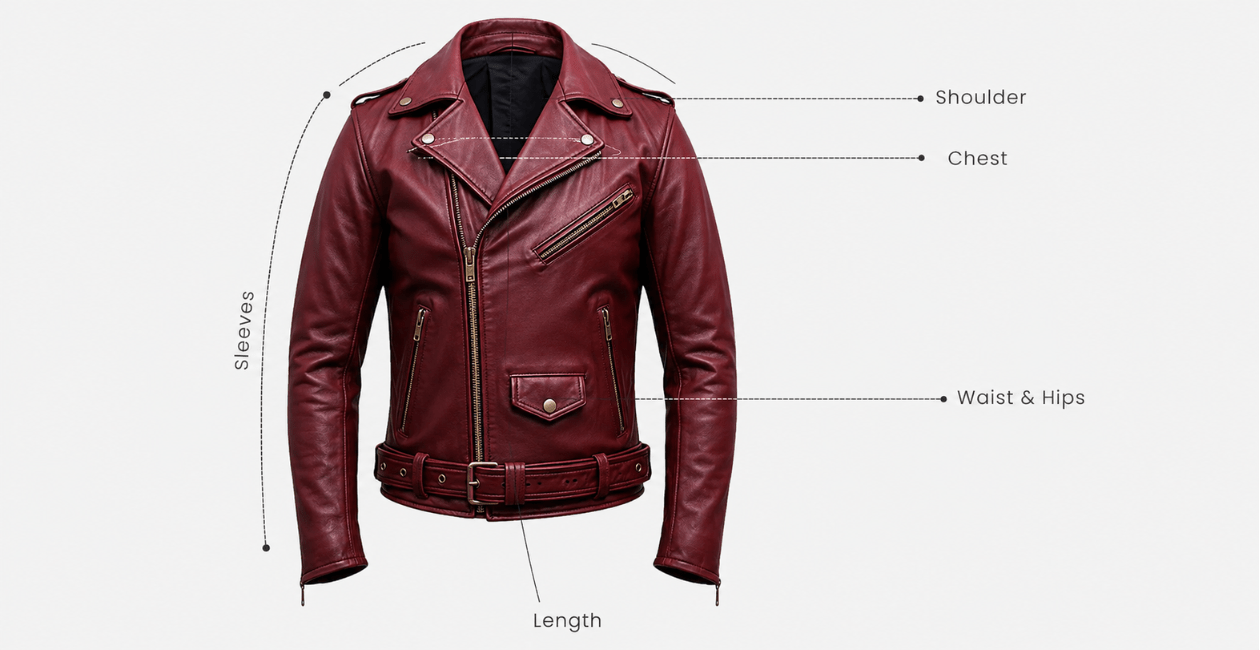
When evaluating a leather jacket, focus on five key areas rather than relying solely on the size label.
Shoulders
Chest
Sleeves
Waist
Jacket Length
If these areas fit correctly, the jacket is far more likely to feel comfortable and maintain a flattering shape over time.
1. Shoulder Fit: The Foundation of a Great Leather Jacket
Shoulders are the single most important aspect of jacket fit because they are difficult to alter and determine how the rest of the garment sits on your body.
The shoulder seams should align closely with the natural edge of your shoulders. This creates a clean silhouette and allows the sleeves to hang correctly.
When trying on a leather jacket, raise your arms, reach forward, and rotate your shoulders. You should have enough freedom of movement without feeling tightness across your upper back.
A Proper Shoulder Fit Should
Sit directly on your natural shoulder line.
Feel secure without pinching.
Keep the collar resting neatly around the neck.
Maintain balance across the front and back.
Warning Signs
Shoulder seams hanging beyond the shoulder edge.
Wrinkles forming near the upper arm.
Collar lifting away from the neck.
Tightness when reaching forward.
Because leather jackets are designed to maintain their structure, shoulder fit should be correct from the very beginning.
2. Chest Fit: Comfortable Without Extra Bulk
The chest should feel close to your body while still allowing comfortable movement. You should be able to zip the jacket fully without feeling compressed or restricted.
A good rule is that you should comfortably wear a lightweight T-shirt or a thin sweater underneath, depending on the jacket style and season.
If the chest feels overly tight, the jacket will be uncomfortable during daily wear. If it feels too roomy, the jacket may lose the sharp, tailored appearance that defines premium leather outerwear.
The ideal chest fit strikes a balance between comfort, mobility, and a streamlined silhouette.
3. Sleeve Length: Finding the Right Balance
Sleeve length has a significant impact on both comfort and appearance. Sleeves that are too short expose your wrists whenever you move, while sleeves that are too long create unnecessary folds and hide your hands.
Ideally, the sleeves should end at the wrist bone when your arms are relaxed at your sides. This provides enough coverage during movement while maintaining clean proportions.
If you’re buying a motorcycle-style jacket, the sleeves may be slightly longer to accommodate the riding position, where your arms are extended toward the handlebars.
A Proper Sleeve Fit Should
End at the wrist bone.
Allow comfortable bending at the elbows.
Avoid excessive bunching.
Cover the wrists during normal movement.
4. Waist Fit: A Structured Silhouette
The waist determines how tailored the jacket appears. Most premium leather jackets are designed to follow the body’s natural shape without feeling restrictive.
You should be able to zip the jacket comfortably while maintaining a streamlined profile. There shouldn’t be excessive fabric around the midsection, but you should still have enough room to sit, drive, or move freely.
A properly fitted waist creates a flattering silhouette that works well with jeans, chinos, or tailored trousers.
Signs of a Good Waist Fit
Clean lines without excess fabric.
Comfortable when sitting.
No pulling around the zipper.
Natural body contour.
5. Jacket Length: It Depends on the Style
Leather jacket length varies depending on the design, purpose, and overall silhouette. Understanding the intended proportions of each style helps you avoid choosing a jacket that feels unusually short or long. A well-balanced length not only enhances your appearance but also improves comfort, mobility, and versatility.
Whether you’re shopping from our Men’s Leather Jackets collection or exploring our Woman leather Jacket collection, the right jacket length should complement your height, body shape, and personal style. A jacket that’s too short can look disproportionate, while one that’s too long may lose the clean, tailored silhouette that defines premium leather outerwear.
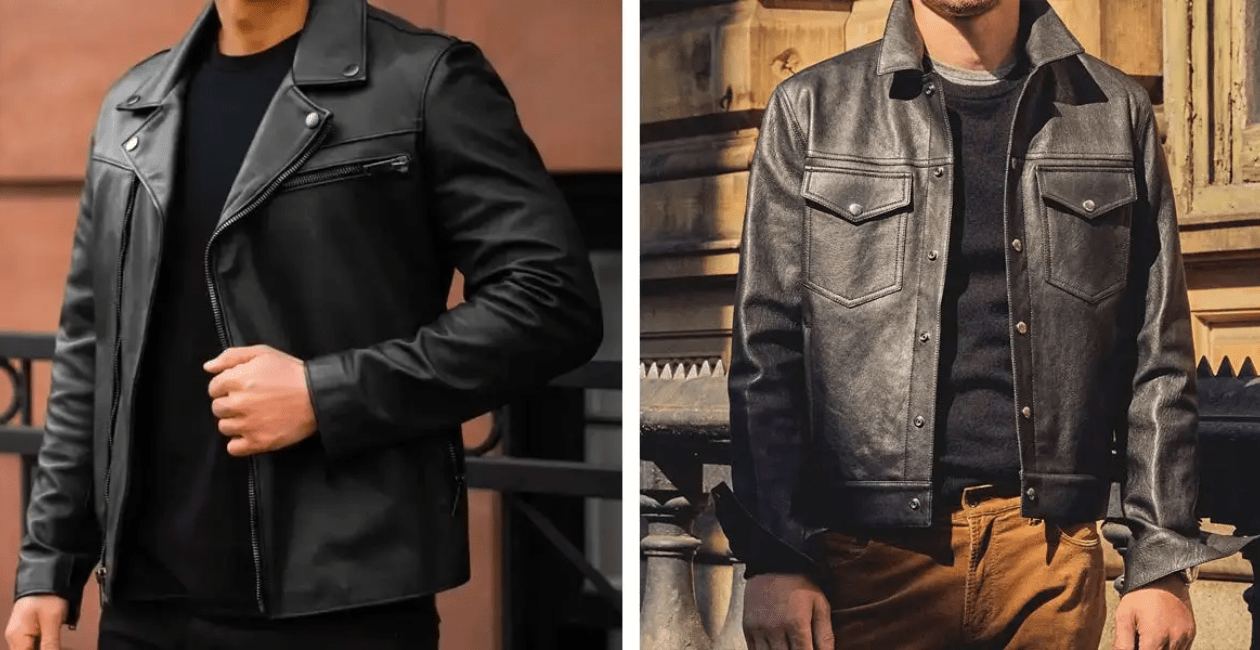
Bomber Jackets
Bomber jackets traditionally end around the waistband or belt line. This cropped silhouette is part of the jacket’s classic military-inspired design.
Café Racer Jackets
Racer jackets are slightly longer than bombers but still maintain a close-fitting, streamlined appearance.
Biker Jackets
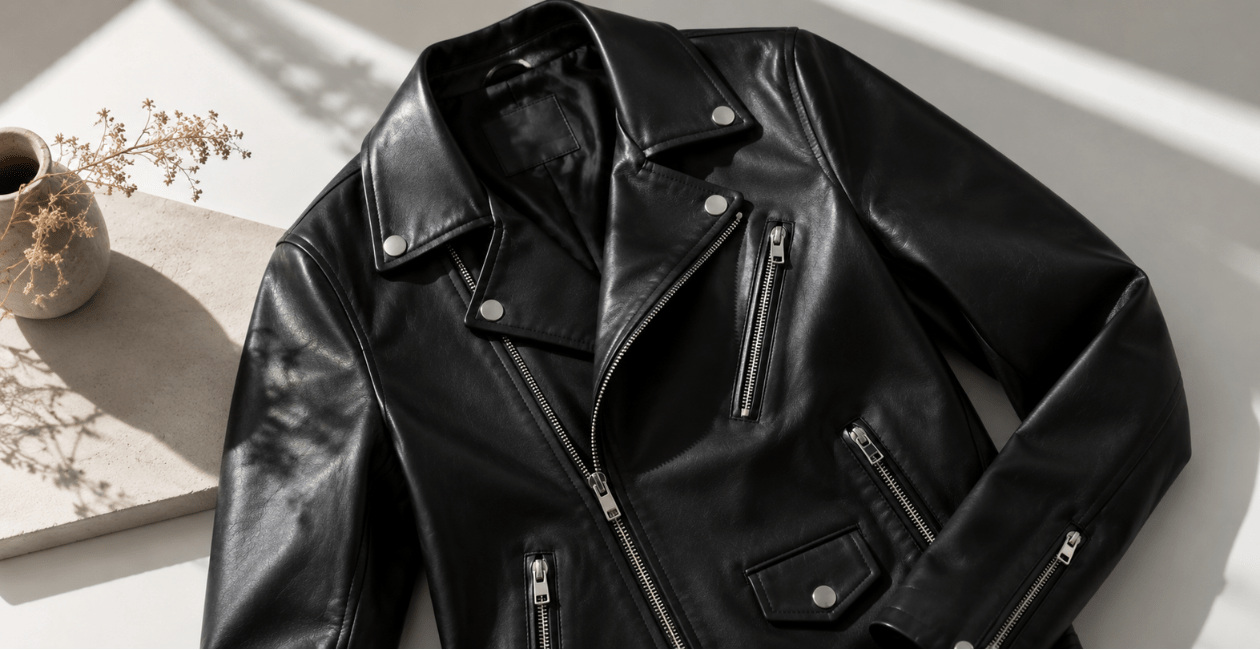
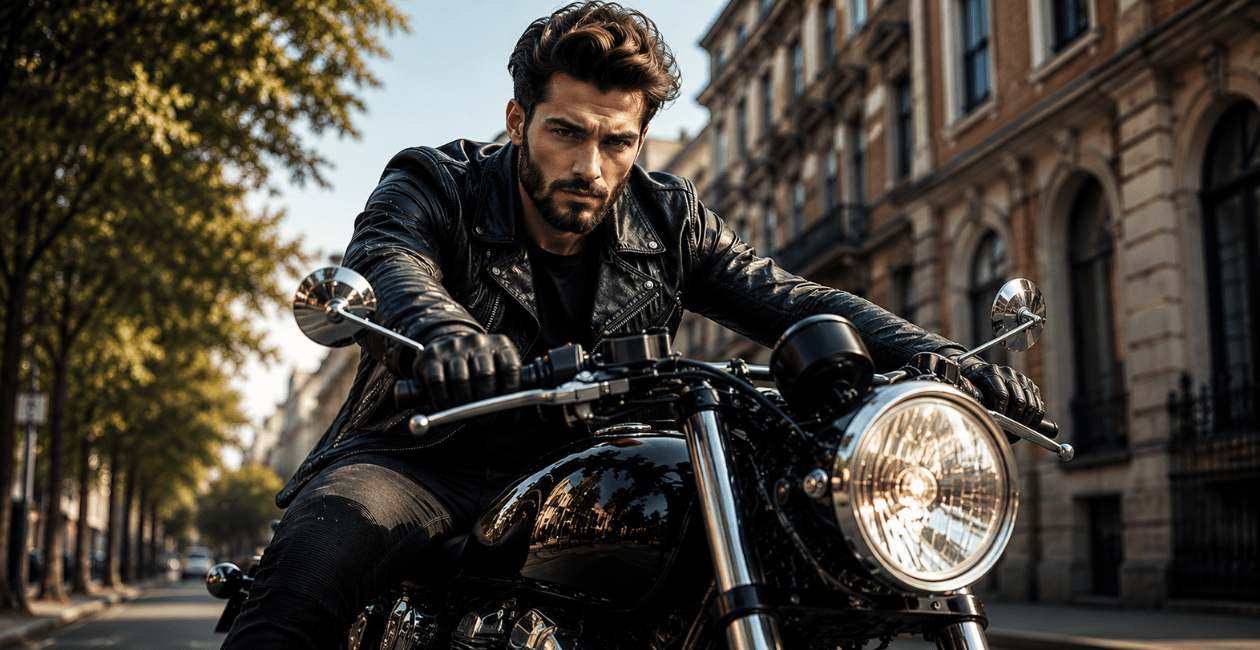
Biker jackets generally finish around the belt line to allow unrestricted movement while riding.
Flight and Aviator Jackets
These jackets are often slightly longer because they were originally designed to provide additional warmth in colder conditions.
Regardless of style, the jacket should remain proportionate to your height and body shape.
Slim Fit vs Regular Fit vs Relaxed Fit
Different fits serve different preferences and lifestyles.
Fit
Best For
Characteristics
Slim Fit
Modern, tailored appearance
Close-fitting with minimal excess fabric
Regular Fit
Everyday versatility
Balanced comfort and mobility
Relaxed Fit
Layering or casual styling
More room through the chest and waist
Slim-fit jackets create a contemporary silhouette and pair well with business casual or smart casual wardrobes.
Regular-fit jackets provide greater versatility and suit most body types.
Relaxed-fit jackets work well if you regularly wear thicker sweaters or prefer a more casual look.
Should You Size Up or Size Down?
One of the biggest mistakes buyers make is automatically sizing up because leather initially feels firmer than fabric.
In most cases, choose the size that matches your body measurements rather than guessing based on comfort during the first fitting.
Remember:
Genuine leather softens.
The lining settles naturally.
The jacket gradually conforms to your shape.
Only consider sizing up if:
You plan to wear heavy knitwear underneath regularly.
The brand specifically recommends it.
Your measurements fall between two sizes.
Avoid sizing down in hopes of achieving a slimmer appearance, as an overly tight leather jacket restricts movement and may never become comfortable.
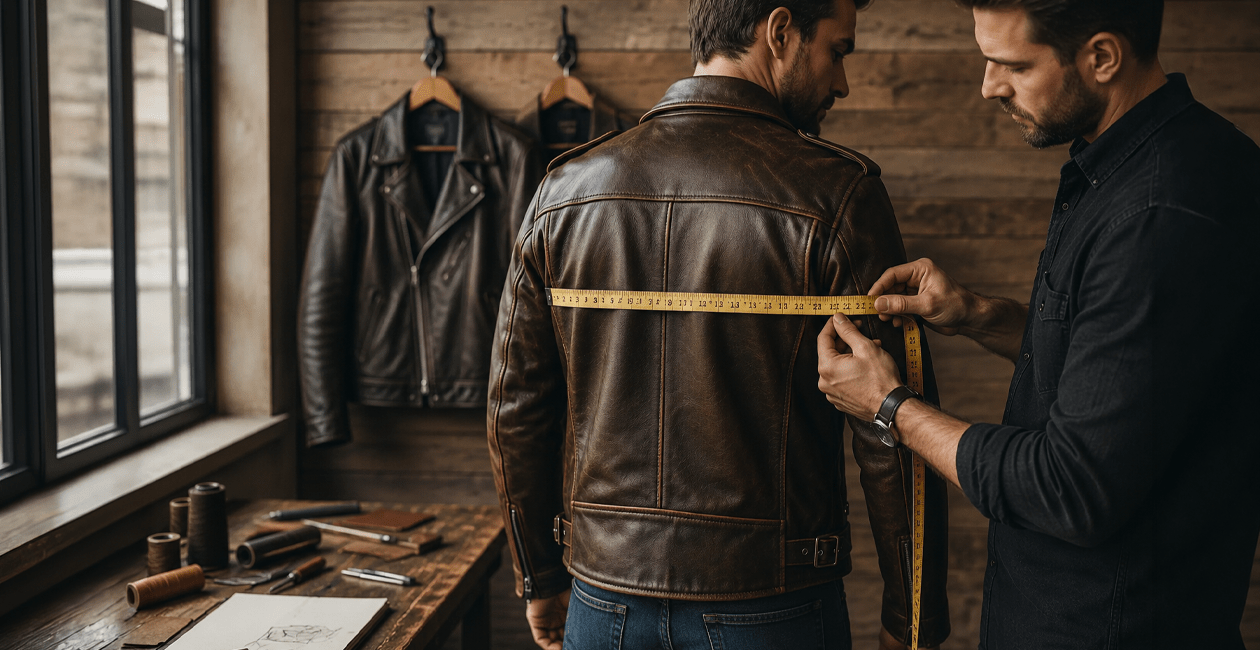
How to Measure Yourself Correctly
Accurate body measurements are far more reliable than relying on your usual clothing size.
Use a soft measuring tape and measure while wearing a lightweight shirt.
Chest
Measure around the fullest part of your chest while keeping the tape level.
Shoulders
Measure from one shoulder edge to the other across your upper back.
Sleeve Length
Measure from the top of the shoulder down to the wrist.
Waist
Measure around your natural waist without pulling the tape tightly.
Compare these measurements with the brand’s size chart rather than assuming all manufacturers size their jackets the same way.
Common Leather Jacket Fit Mistakes
Even experienced shoppers occasionally choose the wrong fit.
Buying Too Large
Many buyers worry about comfort and purchase a larger size. Unfortunately, oversized leather jackets often appear bulky and fail to develop the structured silhouette that makes leather so appealing.
Ignoring Shoulder Fit
Shoulders determine how the entire jacket sits. If the shoulder seams extend beyond your natural shoulder line, the rest of the jacket is unlikely to fit correctly.
Assuming All Brands Size the Same
Sizing standards vary between manufacturers. Always compare your measurements with the specific size guide provided.
Forgetting About Layering
Consider how you’ll wear the jacket most often. If you mainly wear T-shirts underneath, avoid buying extra room for thick layers you’ll rarely use.
Choosing Fashion Over Function
A trendy silhouette may look appealing today, but a well-proportioned classic fit offers greater versatility and remains stylish for years.
Buying a Leather Jacket Online
Buying online requires more attention to sizing than shopping in person, but following a few simple steps can improve your chances of getting the right fit.
Before placing your order:
Measure yourself accurately.
Compare your measurements with the size chart.
Read product-specific fit notes.
Consider the leather type.
Think about your preferred layering.
Review the return or exchange policy.
Manufacturer-owned brands that provide detailed sizing guidance and made-to-order options can often offer a more consistent fit than mass-produced alternatives.
Made-to-Order vs Ready-to-Wear
Fit is one of the biggest advantages of made-to-order production.
Rather than producing large quantities based on generalized sizing, made-to-order manufacturing allows greater attention to measurements, construction, and finishing.
For customers seeking a jacket that feels more personalized, this approach often results in a better overall wearing experience while maintaining the craftsmanship expected from premium leather outerwear.
Leather Jacket Fit Checklist
Before completing your purchase, confirm the following:
✔ Shoulder seams align with your shoulders.
✔ Chest feels comfortably snug.
✔ Sleeves end at the wrist bone.
✔ Waist follows your body’s shape.
✔ Jacket length suits the style.
✔ Arms move freely.
✔ You can zip the jacket comfortably.
✔ Leather feels supportive, not restrictive.
✔ The overall silhouette appears clean and balanced.
Final Thoughts
A leather jacket should fit close enough to create a clean, structured silhouette while allowing comfortable everyday movement. The ideal fit isn’t overly tight or noticeably loose. Instead, it should feel supportive from the first wear and gradually become even more comfortable as the leather naturally softens and adapts to your body.
Pay particular attention to the shoulders, chest, sleeves, waist, and overall length. These five areas determine whether a jacket will look refined and remain enjoyable to wear for years.
Taking accurate body measurements, understanding how genuine leather behaves over time, and choosing a timeless fit over temporary fashion trends will help you invest in a jacket that delivers lasting value. A well-fitted leather jacket doesn’t simply complete an outfit; it becomes a dependable wardrobe essential that improves with every season.
At The Crown Leather, every jacket is crafted with premium materials and a made-to-order approach that prioritizes quality, comfort, and long-term durability. Learn more about our commitment to craftsmanship on our About Us page, and explore our collections to find a leather jacket designed to fit your style as perfectly as it fits your body.
Frequently Asked Questions
How should a leather jacket fit when it’s new?
A new leather jacket should feel comfortably snug without restricting movement. Genuine leather softens and molds to your body over time, so a slightly fitted feel is normal.
Should I size up in a leather jacket?
Not usually. It’s best to choose the size that matches your body measurements. Only size up if you regularly plan to wear thick layers underneath or if the brand specifically recommends it.
Do leather jackets stretch over time?
Yes, genuine leather naturally relaxes and conforms to your body with regular wear. However, the change is gradual and subtle, so you shouldn’t expect a jacket that’s too small to become significantly larger.
Where should a leather jacket end?
Most classic leather jackets should finish around the belt line or just below the waist, depending on the style. Bomber and biker jackets are typically shorter, while flight jackets may be slightly longer.
How long should leather jacket sleeves be?
The sleeves should end at your wrist bone when your arms are relaxed. This provides a clean appearance while allowing comfortable movement.
Can I wear a sweater under a leather jacket?
Yes, but the amount of layering depends on the jacket’s fit. Slim-fit jackets work best with lightweight layers, while regular-fit jackets offer more room for knitwear.