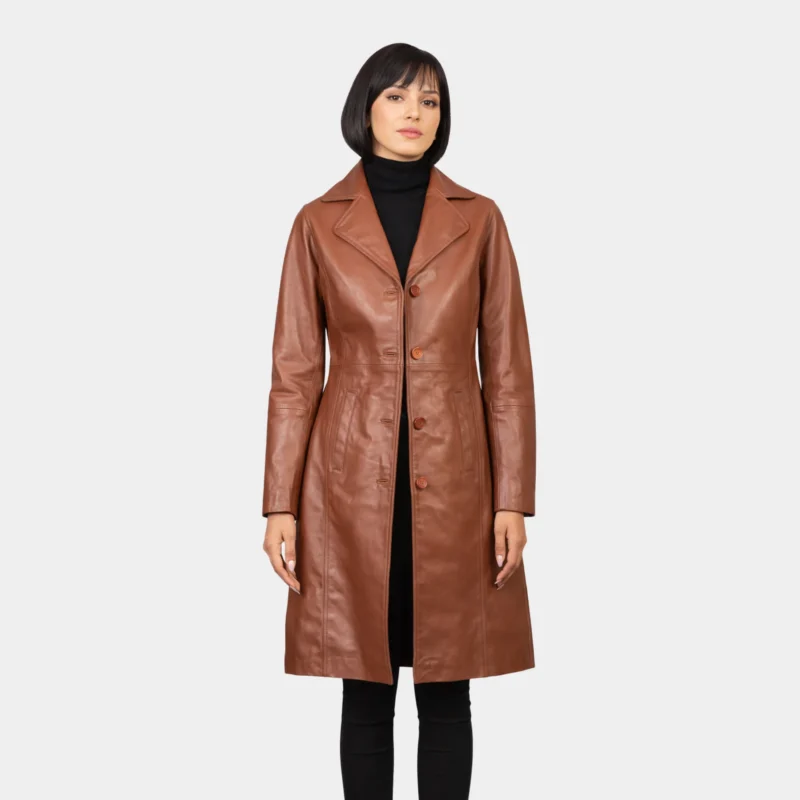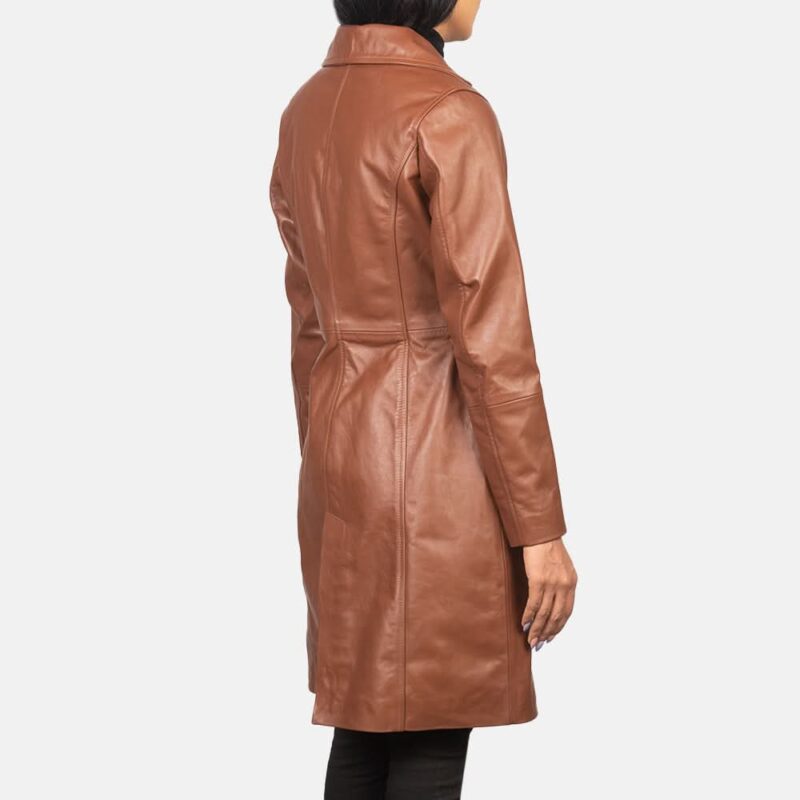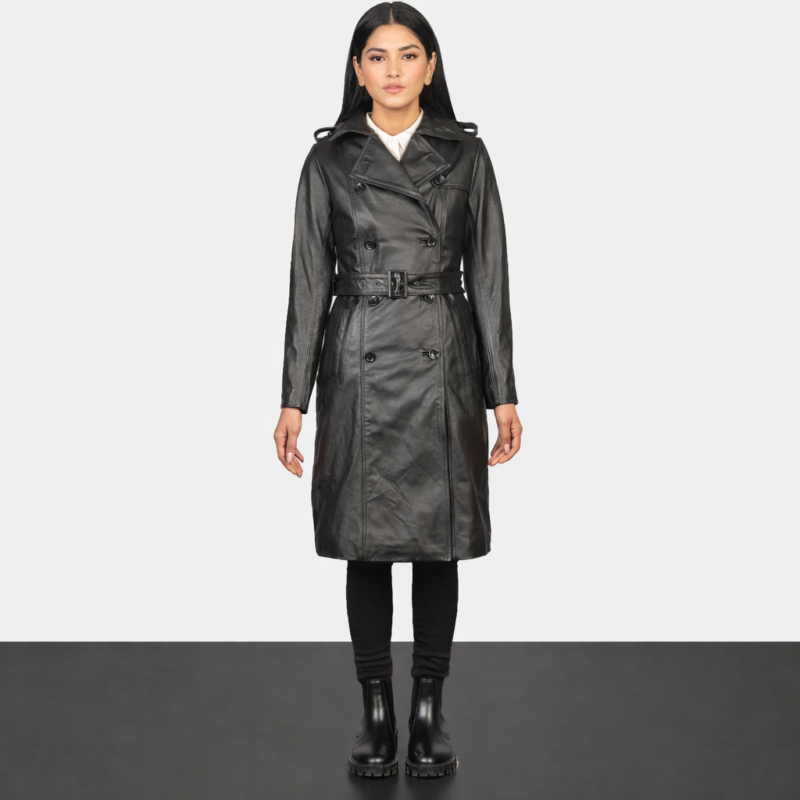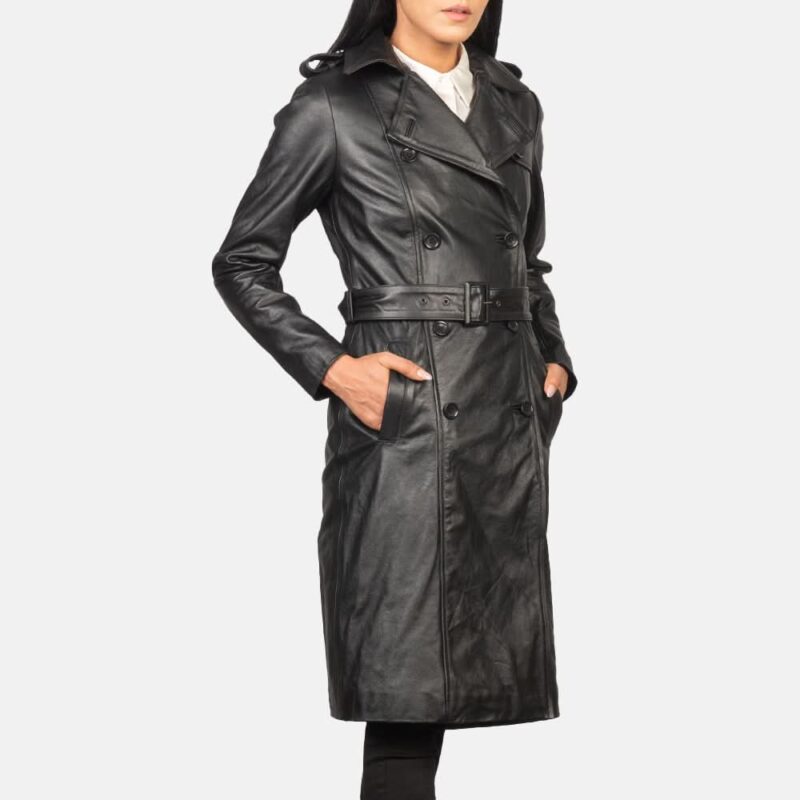

At first glance, suede and shearling jackets can appear surprisingly similar. Both feature a soft, textured exterior and are often associated with premium craftsmanship, making them popular choices for anyone looking to invest in timeless outerwear. Despite these similarities, they serve very different purposes.
A suede jacket is valued for its lightweight feel, refined appearance, and versatility across multiple seasons. A shearling jacket, on the other hand, is built to provide exceptional insulation and comfort during cold weather. Choosing between them isn’t about deciding which material is superior. It’s about understanding which one better suits your climate, lifestyle, and everyday wardrobe.
Many buyers assume shearling is simply a thicker version of suede, while others believe both materials require the same level of care. In reality, they differ in construction, warmth, durability, maintenance, and overall performance.
This guide compares suede vs shearling from a practical perspective. Rather than focusing on marketing claims, we’ll look at how each material performs in real-life situations, from daily commuting and seasonal wear to long-term durability and maintenance. By the end, you’ll have a clearer understanding of which option fits your needs.
What Is a Suede Jacket?
A suede jacket is made from the underside of an animal hide, most commonly lamb, goat, calf, or cow. Unlike full-grain leather, which uses the outer surface of the hide, suede has a soft, brushed texture known as the nap. This gives the material its signature velvety appearance and smooth feel.
If you’re unfamiliar with how different leather materials are produced, our guide to understanding leather grades, from full-grain to genuine leather, provides additional context on how these materials differ and why construction affects performance.
One of suede’s biggest strengths is its balance between comfort and style. Because it’s lighter and more flexible than many traditional leather finishes, it works particularly well during spring, fall, and mild winter days. The material drapes naturally, making it comfortable for extended wear without feeling stiff or bulky.
Another reason suede remains popular is its versatility. It pairs effortlessly with casual denim, tailored trousers, knitwear, and boots, making it suitable for everything from weekend outings to smart casual occasions.
Some of the most common suede jacket styles include:
- Bomber jackets
- Trucker jackets
- Overshirts
- Zip-front casual jackets
- Western-inspired designs
Although suede is admired for its sophisticated appearance, it does require thoughtful maintenance. Its soft surface can absorb moisture more easily than smooth leather and may show marks if not cared for properly.
Fortunately, regular brushing, proper storage, and protective treatments can significantly extend its lifespan. If you’re interested in preserving premium outerwear for years to come, you’ll also find practical advice in our ultimate leather care guide.
What Is a Shearling Jacket?
Shearling is often mistaken for suede because both materials have a soft exterior, but their construction is fundamentally different.
A genuine shearling jacket is made from sheepskin that retains its natural wool lining. The outside has a suede-like finish, while the inside remains covered with dense, insulating fleece. This natural combination provides warmth without relying on synthetic insulation or heavy padding.
Because the wool remains attached to the hide, shearling naturally regulates body temperature. It traps warm air close to the body while allowing excess heat and moisture to escape, creating insulation that’s both warm and breathable.
This unique performance explains why shearling has been used for decades in cold-weather outerwear. Early flight jackets worn by military pilots relied on shearling to provide protection at high altitudes, and many of those classic designs continue to influence modern jackets today.
Compared with suede, shearling is noticeably heavier, but that additional weight brings greater insulation and better protection against harsh winter conditions.
For people who spend long periods outdoors or experience consistently cold winters, shearling offers a level of warmth that’s difficult for lightweight materials to match.
Suede vs Shearling at a Glance
Before comparing individual features, here’s a quick overview of how the two materials differ.
| Feature | Suede | Shearling |
| Material | Underside of animal hide | Sheepskin with natural wool attached |
| Warmth | Moderate | Excellent |
| Weight | Lightweight | Medium to Heavy |
| Best Season | Spring, Fall, Mild Winter | Winter |
| Breathability | High | High |
| Maintenance | Moderate | Moderate |
| Water Resistance | Low | Moderate |
| Durability | Very Good | Excellent |
| Style | Refined and versatile | Rugged and luxurious |
| Typical Investment | Moderate | Higher |
In the next section, we’ll compare how both materials perform in terms of warmth, durability, maintenance, comfort, and seasonal wear, helping you determine which option makes the most sense for your lifestyle.
Which Material Keeps You Warmer?
When comparing suede vs shearling, warmth is often the biggest deciding factor, especially for anyone shopping for a jacket that will be worn throughout the colder months.
A suede jacket offers light to moderate insulation. It provides more protection than many fabric jackets because it’s made from genuine hide, but it isn’t designed to handle prolonged exposure to freezing temperatures. During cool autumn evenings or mild winter days, suede performs well when layered over a sweater or hoodie.
Shearling is built with a different purpose in mind.
Its natural wool lining traps warm air close to your body while remaining breathable enough to prevent excess heat from building up. This combination allows shearling to provide outstanding insulation without relying on synthetic filling.
Another advantage is temperature regulation. Unlike some heavily insulated jackets that become uncomfortable indoors, genuine shearling naturally adapts to changing conditions, helping you stay warm outside while remaining reasonably comfortable during short periods indoors.
If your winters regularly include freezing temperatures, snow, or strong winds, shearling is the better choice. For mild climates or transitional seasons, suede usually provides all the warmth most people need.
Expert Tip: Don’t buy based only on the coldest day of the year. Think about the weather you’ll experience most often. A jacket that’s appropriate for your everyday climate is likely to spend more time in your wardrobe than one that’s designed for extreme conditions.
Which Material Lasts Longer?
Both suede and shearling are premium materials capable of lasting for many years, but longevity depends on quality, maintenance, and how frequently the jacket is worn.
Suede develops character over time, but its soft nap is more vulnerable to scratches, stains, and moisture than smooth leather. These marks are usually cosmetic rather than structural, though neglect can shorten the jacket’s lifespan.
With regular brushing, proper storage, and protection from excessive moisture, a high-quality suede jacket can remain in excellent condition for years.
Shearling is generally more durable because it combines a sturdy leather exterior with dense natural wool. The thicker construction makes it better suited for regular winter wear, and many well-made shearling jackets become more comfortable as they age.
If long-term durability is one of your priorities, it’s also worth understanding how different leather constructions affect performance. Our comparison of full-grain leather and lambskin explains why the choice of material can influence both longevity and everyday wear.
Which Jacket Is Easier to Maintain?
No premium jacket is completely maintenance-free, but suede and shearling require different care routines.
Caring for Suede
Suede’s soft surface should be brushed regularly to lift the nap and remove dust before it settles into the fibers.
Basic care includes:
- Brushing with a suede brush after regular wear.
- Treating the surface with a suede protector.
- Removing marks using a suede eraser.
- Allowing the jacket to dry naturally if exposed to moisture.
- Storing it on a wide hanger in a cool, dry place.
One common mistake is cleaning suede with excessive water. This can leave water spots and permanently alter the texture.
For more detailed maintenance advice, our article on cleaning a leather jacket at home includes practical techniques that also apply to suede, along with important precautions.
Caring for Shearling
Shearling requires less frequent maintenance, but proper care is still important.
To keep it looking its best:
- Hang it on a sturdy hanger to maintain its shape.
- Avoid storing it in humid areas.
- Let the jacket dry naturally after exposure to snow or light rain.
- Brush the wool lining occasionally to maintain its softness.
- Consider professional cleaning for deep stains.
Neither material should be exposed to prolonged heavy rain, as excessive moisture can affect both the leather and the finish.
Which Style Works with More Outfits?
Style preferences are personal, but each material has strengths depending on how you dress.
Suede has a refined, understated appearance that pairs easily with a wide range of clothing. It complements jeans, chinos, knitwear, Chelsea boots, and even tailored trousers, making it one of the most versatile materials for casual and smart casual wardrobes.
Shearling creates a stronger visual statement.
The combination of textured suede and visible wool naturally draws attention, making it an excellent choice for winter outfits where the jacket becomes the centerpiece rather than simply another layer.
If your wardrobe is built around year-round versatility, suede often integrates more easily. If your focus is winter style and maximum comfort, shearling offers a distinctive look that’s difficult to replicate.
Which Material Performs Better in Different Seasons?
Your local climate should have a significant influence on your decision.
Spring
Suede performs exceptionally well during spring thanks to its lightweight construction and breathable feel.
Shearling is usually too warm for most spring conditions.
Fall
Fall is arguably suede’s strongest season.
It provides enough warmth for cool mornings and evenings while remaining comfortable throughout the day.
Shearling becomes a practical option later in the season as temperatures begin to drop.
Winter
This is where shearling stands apart.
Its natural wool lining delivers outstanding insulation, making it ideal for freezing temperatures, strong winds, and snowy conditions.
Suede can still be worn during winter in milder regions, especially when layered appropriately, but it isn’t intended for prolonged exposure to harsh weather.
Cost vs Long-Term Value
Suede jackets are generally more affordable than genuine shearling because the manufacturing process is less complex and requires fewer raw materials.
That lower price makes suede an excellent option for someone seeking premium style without investing in a dedicated winter coat.
Shearling typically costs more, but it also provides benefits that many people consider worth the investment, particularly if they live in colder climates.
Instead of focusing solely on the purchase price, think about cost per wear.
A suede jacket that becomes part of your wardrobe throughout spring and fall may offer tremendous value over time. Likewise, a shearling jacket that keeps you comfortable every winter for many years can easily justify its higher upfront cost.
Which One Should You Choose?
A suede jacket is likely the better fit if you:
- Live in a mild or moderate climate.
- Prefer lightweight outerwear.
- Want something suitable for multiple seasons.
- Dress primarily in smart casual or everyday styles.
A shearling jacket makes more sense if you:
- Experience long, cold winters.
- Spend significant time outdoors.
- Prioritize warmth over lightweight construction.
- Want outerwear that can handle demanding winter conditions.
If you’re comparing different winter-ready designs, looking at jackets with natural wool insulation and heritage-inspired construction can help you understand how various silhouettes balance warmth, weight, and everyday comfort. Likewise, if versatility is your priority, comparing lightweight suede outerwear in different cuts and finishes
can make it easier to decide which style best complements your wardrobe.
Final Thoughts
The answer to suede vs shearling ultimately depends on how you plan to wear your jacket.
Suede offers lightweight comfort, understated elegance, and versatility across multiple seasons. It’s an excellent choice for everyday wear and smart casual styling.
Shearling is built for warmth. Its natural insulation, durability, and timeless appeal make it one of the best investments for cold-weather outerwear.
Rather than asking which material is universally better, consider which one better matches your climate, daily routine, and personal style. A jacket that aligns with your lifestyle is one you’ll enjoy wearing year after year.
FAQs
Is shearling warmer than suede?
Yes. Genuine shearling provides significantly more insulation because it retains its natural wool lining, making it ideal for cold climates.
Can a suede jacket be worn in winter?
Yes, especially in mild winters. Adding warm layers underneath can improve comfort, but it won’t provide the same insulation as shearling.
Which material lasts longer?
Both materials are durable when properly maintained. Shearling generally offers greater longevity under regular winter use, while suede benefits from consistent care and protection.
Does suede require more maintenance?
Yes. Suede is more sensitive to moisture and surface marks, so regular brushing and protective treatments help preserve its appearance.
Is shearling too warm for everyday use?
In very cold climates, no. In milder regions, it may feel warmer than necessary for everyday wear.
Which material is more versatile?
Suede is generally more versatile because it pairs easily with casual and smart casual outfits and works across several seasons.
Can either material get wet?
Neither should be considered waterproof. Light moisture is manageable with proper care, but prolonged exposure to heavy rain should be avoided.
How do I decide which one is right for me?
Consider your climate, how often you’ll wear the jacket, your preferred style, and the level of maintenance you’re comfortable with. Those factors usually lead to the right choice more effectively than focusing on one feature alone.